
Even the smallest crack in your foundation can be a warning sign of deeper problems. Over time, water intrusion, soil movement, and pressure around your home can cause concrete to split or separate, weakening your foundation’s strength and stability. Ignoring these cracks allows moisture to enter and can eventually lead to structural damage.
One of the most effective ways to restore and reinforce cracked concrete is through epoxy injection. This repair method permanently seals foundation cracks from the inside out, bonding the concrete back together and preventing water from seeping through.
In this guide, we’ll explain what causes foundation cracks, how epoxy injection works, and when to call a professional for a long-term foundation crack repair solution.
What Causes Foundation Cracks?
Foundation cracks are one of the most common signs that your home’s structure is under stress. While small hairline cracks might not seem serious at first, they can quickly worsen when moisture, temperature changes, or shifting soil put additional pressure on the concrete. Understanding what causes these cracks is the first step toward preventing long-term foundation damage.

Common Causes of Foundation Cracking
Several factors can contribute to cracks forming in your foundation:
- Soil movement: Expansive soils swell when wet and shrink when dry, placing constant stress on concrete walls and slabs.
- Hydrostatic pressure: Excess water in the soil pushes against foundation walls, eventually causing them to crack or bow.
- Poor drainage: Standing water or improper grading allows moisture to collect near the foundation, leading to cracks over time.
- Foundation settlement: Uneven soil compaction or erosion can cause parts of the foundation to sink or shift.
- Temperature fluctuations: Expansion and contraction during freeze-thaw cycles can cause concrete to crack.
- Aging concrete: Over time, natural wear, curing issues, or weak mix composition can make concrete more prone to cracking.
Each of these issues affects the foundation differently, but all can weaken its structure if left untreated.
When a Crack Becomes a Structural Problem
Not every foundation crack is cause for alarm, but knowing when to take action is key.
- Hairline cracks are often cosmetic and occur as concrete cures.
- Vertical cracks may indicate settling or slight pressure changes but can worsen if moisture seeps in.
- Horizontal or stair-step cracks are often signs of serious structural stress caused by soil pressure or foundation movement.
If a crack continues to widen, leaks water, or reappears after being sealed, it’s time for a professional evaluation. Structural cracks should always be repaired using strong, long-lasting solutions such as epoxy injection to restore integrity and prevent further movement.
How Epoxy Injection Works
Epoxy injection is a proven method for repairing foundation cracks by bonding the concrete back together from the inside. Rather than covering cracks on the surface, this process fills and seals the entire length of the crack, restoring both strength and waterproofing. It’s commonly used for poured concrete walls, slabs, and other structural components that need permanent stabilization.

Preparing the Crack
Before the injection begins, the crack must be properly prepared to ensure a strong, lasting bond.
- The surface of the crack is cleaned to remove dirt, paint, or debris.
- Technicians seal the visible crack with a surface paste and install small injection ports along its length.
- These ports create access points where the epoxy will be injected deep into the crack.
This preparation ensures the resin can penetrate the full depth of the concrete without leaking or trapping air.
Injecting the Epoxy Resin
Once the ports are set, a high-strength epoxy is carefully injected under controlled pressure. The material travels through the entire crack, filling every void and bonding the sides together.
As the epoxy cures, it forms a seal that is often stronger than the original concrete. This process not only closes the visible gap but also restores the structural integrity of the wall or slab, preventing future separation or water intrusion.
Curing and Finishing
After injection, the ports are removed and the surface is smoothed for a clean, finished appearance. The epoxy takes several hours to fully cure, depending on temperature and crack size. Once hardened, it creates a solid, watertight repair that permanently reinforces the concrete.
Epoxy injection repairs are designed to last for decades when performed correctly, making them one of the most reliable methods for foundation crack repair.
Benefits of Epoxy Injection for Foundation Repair
Epoxy injection offers homeowners a durable, long-term way to restore both the strength and watertightness of cracked concrete. Unlike surface patching or temporary sealants, this repair method penetrates deep into the crack, effectively turning two separated pieces of concrete back into one solid unit.
When applied by trained professionals, epoxy injection provides lasting protection from moisture, structural weakening, and future cracking.
Structural Reinforcement
Epoxy injection doesn’t just seal a crack. It permanently bonds the concrete. Once cured, the epoxy restores the foundation’s original load-bearing capacity, preventing cracks from spreading or widening. This makes it ideal for repairing vertical or diagonal cracks caused by minor movement or pressure changes.
Water and Moisture Resistance
A key benefit of epoxy injection is its ability to stop water intrusion. By filling the full depth of the crack, the material creates a waterproof barrier that prevents moisture from entering your basement, crawl space, or foundation walls. This helps reduce mold growth, humidity, and further water damage.
Cost-Effective and Long-Lasting
Compared to major structural repairs, epoxy injection is relatively fast, minimally invasive, and highly durable. It’s a cost-effective solution for addressing structural cracks before they develop into more serious foundation issues.
Before and After Epoxy Injection
| Condition | Before Epoxy Injection | After Epoxy Injection |
| Crack Condition | Visible gaps, moisture leaks | Seamlessly sealed, watertight surface |
| Structural Integrity | Weak, separating concrete | Fully bonded and reinforced |
| Moisture Intrusion | Water seeping through cracks | Prevented with internal seal |
| Home Value | Decreased due to visible damage | Restored confidence and stability |
Epoxy injection is one of the most dependable methods available for sealing foundation cracks, improving structural integrity, and extending the lifespan of your foundation.
When Epoxy Injection Isn’t Enough
While epoxy injection is an effective way to seal and reinforce cracks, it’s not always the full solution. In some cases, cracks form as a symptom of a larger issue, such as foundation movement, shifting soil, or excessive water pressure. When that happens, the cracks may return unless the root cause is also repaired.
Here are a few situations where epoxy injection should be part of a broader foundation repair plan.
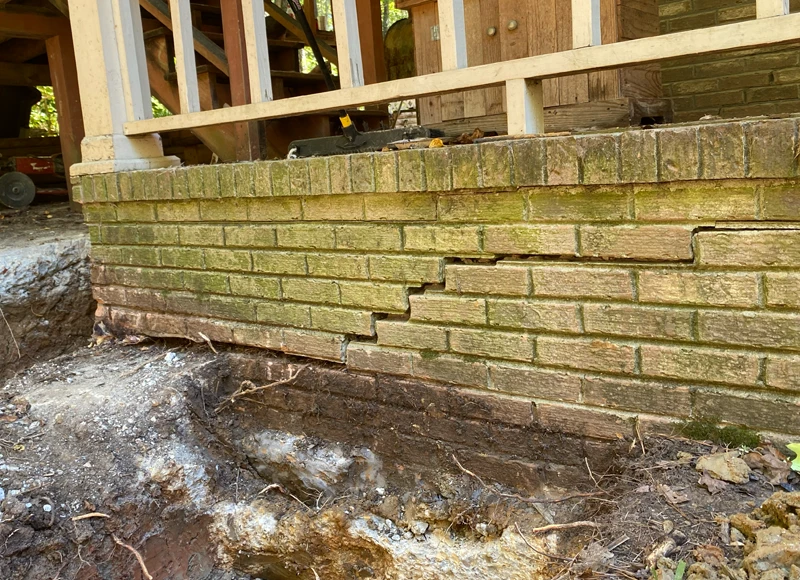
Cracks Caused by Foundation Movement
If your foundation is shifting, settling, or sinking, epoxy alone won’t correct the problem. Structural movement often requires stabilization using helical or push piers that lift and support the foundation from below. Once the structure is secure, epoxy injection can be used to seal existing cracks and restore integrity.
Wide or Recurrent Cracks
When cracks are more than a quarter-inch wide or continue to reappear after repair, that’s a sign of ongoing stress within the foundation. In these cases, additional reinforcement, such as carbon fiber straps or wall anchors, may be needed to prevent future movement before epoxy repair is applied.
Water Pressure and Leaks
If hydrostatic pressure or poor drainage continues to push water against your foundation, cracks may reopen or new ones may form. Combining epoxy injection with drainage improvements, sump pumps, or foundation waterproofing ensures lasting protection by keeping both water and soil pressure under control.
Epoxy injection is a powerful repair method, but it works best when combined with solutions that address the root causes of cracking. A professional foundation evaluation can determine whether the problem is cosmetic or structural and recommend the right combination of repairs for long-term stability.

Professional Foundation Crack Repair Process
Repairing foundation cracks correctly requires more than just sealing the visible damage. Professional technicians identify the cause of the cracking, select the right materials, and ensure the repair provides long-term strength and waterproofing. Here’s what the professional foundation crack repair process typically involves.
Inspection and Evaluation
Every successful repair starts with a detailed inspection. Technicians will assess the type, location, and size of the crack, as well as the condition of the surrounding soil and drainage. Using tools like moisture meters and levels, they determine whether the crack is due to normal settling, structural stress, or water intrusion.
A professional inspection ensures that the right solution is chosen the first time and helps prevent unnecessary or ineffective repairs.
Choosing the Right Repair Method
Not all cracks require the same approach. Professionals evaluate whether epoxy injection, polyurethane injection, or structural reinforcement is the best option.
- Epoxy injection is ideal for structural cracks that need strength restored.
- Polyurethane injection is better suited for sealing non-structural or actively leaking cracks.
- Reinforcement methods like wall anchors or piers are used if movement or settlement is detected.
This customized approach ensures the repair not only seals the crack but also stabilizes the foundation for the long term.
Preventing Future Cracks
Repairing the crack is only part of the solution. Preventing new ones is just as important. Professionals may recommend:
- Improving drainage around your home to reduce hydrostatic pressure.
- Waterproofing the foundation or crawl space to control moisture levels.
- Maintaining consistent soil moisture with proper landscaping and grading.
- Regular inspections to catch early signs of shifting or water intrusion.
By combining repair with prevention, you protect your home from repeat damage and ensure your foundation remains strong and dry for decades.
Get Expert Foundation Crack Repair from DFX
If you’ve noticed cracks forming in your basement walls or foundation, don’t wait for the problem to get worse. The professionals at DFX Foundation & Waterproofing Experts specialize in diagnosing, repairing, and preventing structural cracks using advanced techniques like epoxy injection and comprehensive foundation stabilization.
Our team provides complete solutions, from crack sealing and drainage improvements to foundation repair and waterproofing. Every service is designed to address both the symptom and the source, keeping your home structurally sound and protected from moisture damage.
Schedule a professional foundation inspection today to identify the cause of your cracks and get a long-lasting repair plan tailored to your home. With DFX, you can restore your foundation’s strength and peace of mind from the ground up.