
Foundation issues can be one of the most concerning challenges for homeowners. Foundation repair refers to the process of addressing problems with a home’s foundation—the critical structure that supports the entire property. This comprehensive guide is designed to provide homeowners, as well as real estate investors and contractors, with a clear understanding of foundation repair.
In this guide, we’ll explore how to identify warning signs, review common repair methods, estimate foundation repair costs, and outline what to expect during the foundation repair process. By the end, you will have a thorough understanding of how to effectively address foundation problems, safeguard your investment, and ensure the safety of your home.

As a homeowner, discovering foundation issues such as cracks in walls, uneven floors, or doors that suddenly won’t close properly can be frustrating. These signs can often trigger questions about what’s causing it, how bad is it, and most of all, how much is this going to cost? Foundation problems can feel overwhelming, especially when you’re unsure where to start or who to trust.
We get it—the fear of a costly repair can be paralyzing. But here’s the truth: foundation issues are more common than you might think, and with the right information and guidance, they can be resolved before turning into bigger problems.
This comprehensive guide is here to help you take back control. We’ll walk you through how to spot the early warning signs, explain common repair techniques, break down what influences foundation repair costs, and show you what to expect throughout the process. By the end, you’ll feel more confident, informed, and empowered to protect your home and your peace of mind.
Table of Contents
What is foundation repair?
Foundation repair refers to various methods of stabilizing and restoring a building’s foundation when it has been damaged or is beginning to fail. A strong foundation is critical: it distributes the weight of the house and keeps everything level and supported. When a foundation is compromised, whether by cracks, shifting soil, or deterioration, it can lead to serious structural problems in the house.
Why foundation issues happen
Homes naturally settle over time, but significant foundation problems usually arise from specific causes. When the soil under a house moves or loses its strength, parts of the foundation can sink, causing a sinking foundation that leads to cracks and misalignment in the structure. Foundation repair work is designed to lift, stabilize, or reinforce the foundation to address these issues and prevent further damage. It’s important because unresolved foundation problems only worsen with time, potentially leading to unsafe living conditions and costly future repairs.
Cracks in Walls, Floors, or the Foundation
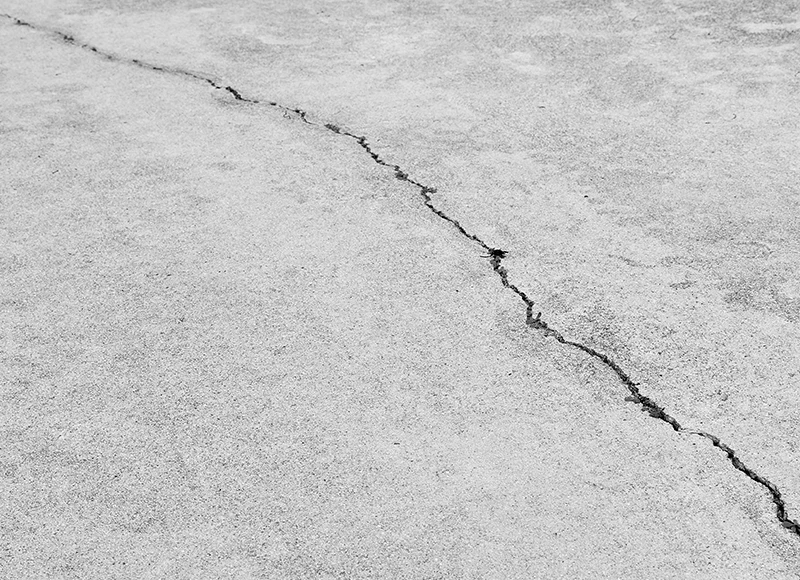
One of the most common signs is cracking. Look for foundation cracks in the exterior foundation concrete, cracks in interior drywall (especially around windows or door frames), or cracks in basement floors. Not all cracks mean disaster. Hairline concrete cracks are common, but larger cracks, those that grow over time or form in stair-step patterns in brickwork, can indicate foundation movement that may require repair.
Doors and Windows That Stick
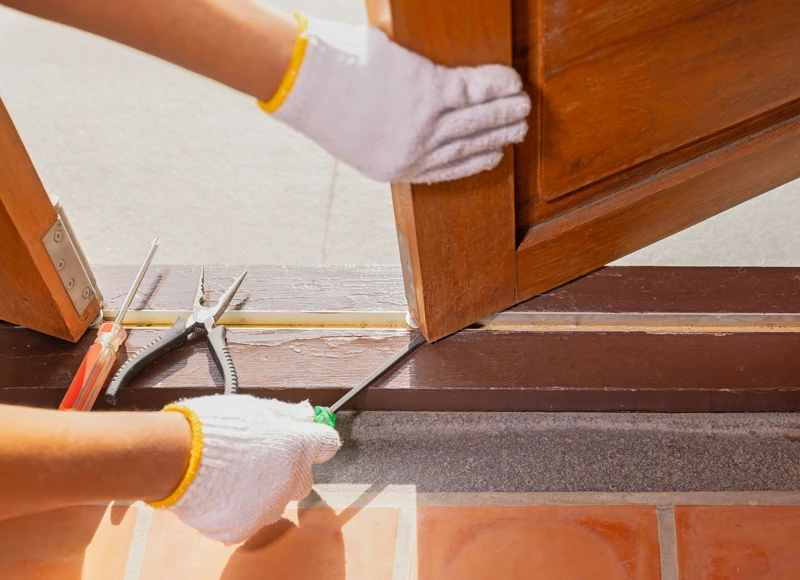
If your doors suddenly start jamming or swinging open, or you notice windows sticking, it could be due to the frames becoming out of square. This misalignment often results from parts of the foundation shifting or settling. In a settling foundation, one side of the house may drop slightly, causing the frames to become out of plumb.
Uneven or Sloping Floors
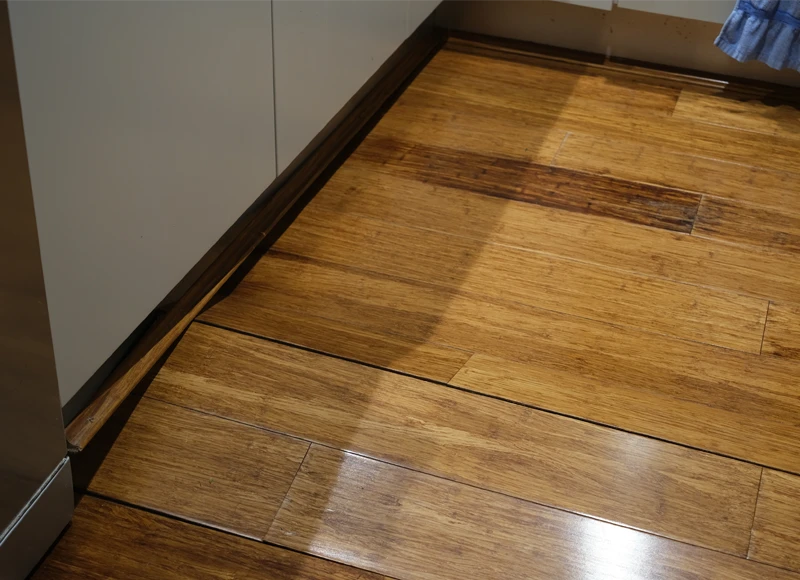
Have you noticed a slight slope when walking across a room, or does a ball roll across the floor on its own? Sagging or slanting floors can signal that the foundation or the support structure (beams, piers, joists) is not level. In pier-and-beam homes, you might feel soft or bouncy spots in the floor – a clue that an underfloor support has moved or deteriorated.
Sagging Crawl Space
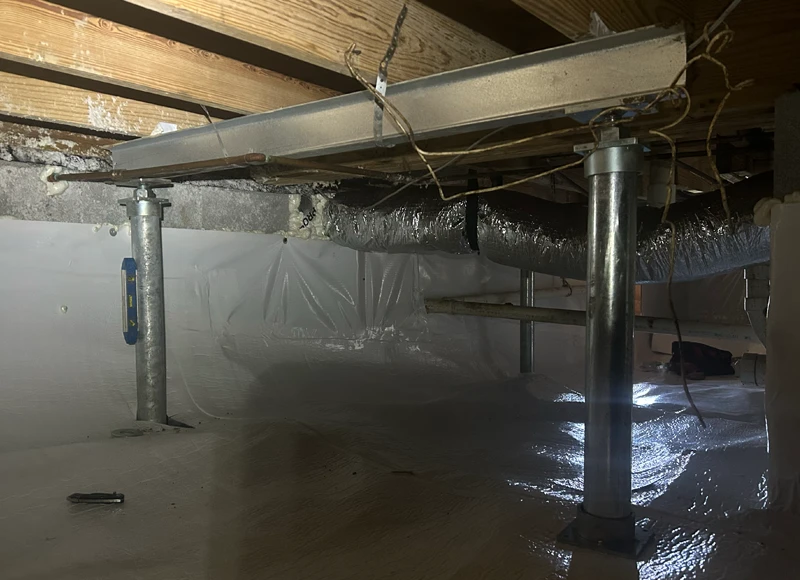
A sagging or uneven crawl space can be a major warning sign of foundation trouble. Look for drooping beams, rotting wood, or gaps between the floor and walls above. These issues often stem from moisture damage or shifting foundation piers, which can weaken the entire structure.
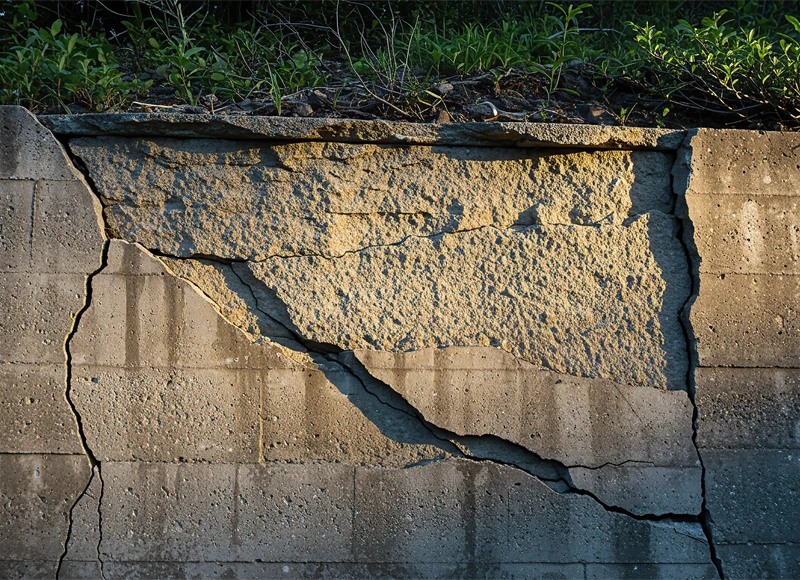
Collapsing Retaining Wall
Retaining walls are designed to hold back soil, but if they start to lean, crack, or collapse, it could mean the foundation is under pressure. Shifting soil, poor drainage, or inadequate construction can all contribute to this problem, putting your home’s foundation at risk.
Common Causes of Foundation Issues
Understanding why foundations fail or get damaged can help you prevent problems and determine the right repair solutions. Below are the primary causes of foundation distress, along with two specific types of foundation movement.
Foundation Settlement
Foundation settlement happens when the soil beneath the foundation compresses or shifts, causing the structure to sink unevenly. Common signs include sloping floors, cracks in the foundation, and gaps between walls and attached structures, such as chimneys or patios.
Soil Type and Condition
The soil beneath your home is a crucial factor in determining the health of your foundation. Clay-rich soils are expansive—they swell when wet and shrink when dry, causing the foundation to heave or settle unevenly. On the other hand, sandy or poorly compacted fill soil might shift or erode easily. Over time, these movements result in settling or sinking if parts of the soil lose support strength.
Foundation Heave
Foundation heave occurs when the soil beneath the foundation expands, pushing the structure upward. This often happens in areas with clay soil that swells with water. Signs of heave include cracks in walls or floors, misaligned doors, and a noticeable rise in specific parts of the foundation.
Poor Drainage and Moisture Changes
Too much water around the foundation can weaken the soil. Heavy rain, poor drainage, or a lack of waterproofing can oversaturate the soil, making it soft and unable to support the foundation, which can lead to sinking. Conversely, severe drought can dry out soil, causing it to contract and pull away from the foundation. Both extremes result in voids or pressure imbalances that cause foundation movement and cracks.
Tree Roots and Landscaping
Trees planted too close to a house can harm the foundation in two ways: roots can grow underneath and disrupt the foundation, while thirsty roots can remove moisture from the soil, causing it to shrink unevenly during dry periods. Even overwatered garden beds or shrubs near the foundation can create moisture imbalances, which can lead to foundation issues.
Poor Construction or Site Preparation
Foundation problems can stem from how a house was built. If the soil was not properly compacted before construction, the foundation may settle more over time. Additionally, inadequate footings or subpar concrete can create a weak foundation prone to cracking or settling. Poor construction practices often set the stage for foundation problems years later.
Natural Forces and Events
Natural disasters and environmental events can have a significant impact on foundations. Earthquakes can cause sudden cracks or shifts, floods can wash away supporting soil, and landslides on sloped lots can undermine foundations. In colder climates, freeze-thaw cycles can cause frost heaving, pushing the foundation upward as water in the soil freezes and expands. Over time, these forces create foundation cracks and misalignment.
Address the Cause with Proper Repairs
Quality foundation repair contractors don’t just patch cracks—they investigate the cause of the damage. Effective solutions address the underlying issue, such as improving drainage, stabilizing soil, or removing problematic trees. Fixing the root cause ensures repairs are long-lasting and prevents further foundation problems.
Different Types of Home Foundations and Their Characteristics
Not all homes have the same type of foundation, and the kind of foundation a home is built on significantly impacts its structural stability, potential issues, and maintenance requirements. Here, we will explore the main types of foundations found in residential homes, highlighting their unique features and common problems that homeowners may face.

Concrete Slab Foundations
Concrete slab foundations are one of the most common types of foundations in modern home construction. These foundations are made by pouring a large, steel-reinforced concrete pad directly onto the ground. They provide a solid, low-maintenance base for the structure and are especially popular in areas with warm climates where the ground rarely freezes.
While concrete slabs are durable, they are not immune to issues. Cracks can develop due to settling or soil movement, often appearing as diagonal or vertical cracks in the foundation or floors inside the home. In cases where the soil beneath the slab compresses or erodes, parts of the slab may sink, leading to uneven flooring or structural instability.
Basement Foundations
Basement foundations are common in areas where additional living or storage space is needed, as well as in regions prone to severe thunderstorms and tornadoes. These foundations consist of concrete walls that extend below ground level, creating a dedicated area beneath the home. Basements offer versatility, as they can be finished into livable spaces or utilized for storage, mechanical systems, and as a safe shelter during extreme weather conditions.
However, basement foundations are prone to their own problems. External soil or water pressure can lead to leaking walls or slightly bowed surfaces. This can result in moisture issues, which may lead to water damage or create an environment conducive to mold growth.
Crawl Space Foundations
Crawl space foundations create a gap between the ground and the floor of the home, providing easy access to plumbing, wiring, and other systems. These foundations are commonly found in older homes or properties built in regions with expansive clay soil or areas prone to flooding.
While crawl spaces are practical, they are also vulnerable to moisture-related problems. High humidity or water in your crawl space can lead to wood rot in structural elements such as beams, posts, or floor joists. Moisture buildup may also encourage mold growth or attract pests like termites, compromising both the structure and the indoor air quality of the home.
Pier and Beam Foundations
Pier and beam foundations are typically used in older homes or areas with challenging soil conditions, such as regions prone to flooding or significant soil expansion. This type of foundation consists of concrete or masonry piers that support wooden beams, which in turn hold up the floor joists of the home.
While this design allows for flexibility and easy access to the home’s underside, it is not without its challenges. Pier and beam foundations are prone to settling or sagging as piers shift or wood components deteriorate, often leading to the need for pier and beam foundation repair. Issues such as uneven or bouncy floors, cracks in the walls (often above doors), and sticking doors are common.
Additionally, moisture in the crawl space beneath the foundation can cause wood rot or termite damage, further emphasizing the importance of timely pier and beam foundation repair to address these structural concerns.
The Foundation Repair Process: What to Expect
Once you’ve identified a foundation problem and decided to fix it, what does the journey look like? In this section, we outline the typical foundation repair process from start to finish. Knowing the steps will help you understand how foundation repair works as a project and will answer concerns like how long foundation repair takes and whether you can live in the house during foundation repair.

1. Inspection and Assessment
The repair process starts with an inspection. A specialist will check your foundation, walls, floors, and surrounding property to assess the damage and its causes (e.g., soil issues, drainage). They may take measurements and recommend further evaluation if needed.
Afterward, you’ll receive a diagnosis and a repair plan, along with a foundation repair estimate. It’s smart to get multiple quotes and ensure contractors are licensed, experienced, and offer warranties.
2. Preparation and Planning
Once you choose a repair company, preparation begins. This includes obtaining permits (if required), scheduling the crew, gathering materials, and marking utility lines if digging is involved. You may need to clear storage, move furniture, or remove plants from work areas. A good contractor will communicate what to expect, so you can prepare for any disruptions.
3. The Repair Work (On-Site Execution)
This is when your foundation gets fixed. Here’s what to expect:
- Timeline: Most repairs take 1–3 days. Larger projects may take 1–2 weeks. Contractors will provide an estimated timeline, but delays like bad weather or unexpected issues can happen.
- Living in your home: You can usually stay home during repairs since most work happens outside or in crawl spaces. Expect some noise, vibration, or slight shifting during lifting, but it’s controlled and safe. Rarely, extreme cases may require temporary relocation.
- Excavation: Workers may dig holes or trenches around the foundation, remove parts of landscaping, patios, or floors, depending on the repair type.
- Lifting: If lifting is needed, it’s done in small, careful increments to avoid stress on the structure. You may hear creaking, and some cracks may even close up.
- Safety: The site will be busy with machinery and workers. Keep kids and pets away for safety. Crews will update you on progress.
- Adjustments: Plans may change during the repair (e.g., adding extra support if needed). Contractors will communicate any changes.
While noisy and disruptive, the process is safe and systematic. In the end, your foundation will get the support it needs!
4. Post-Repair Wrap-Up and Next Steps
Once repairs are complete, here are the final steps to finish the project:
- Cleanup: Excavated areas will be backfilled, debris removed, and landscaping or concrete may be restored based on your contract.
- Inspection: The crew may take final elevation readings and, if permits were issued, a city inspector may sign off. Walk through with the project manager to review the work.
- Warranty and Documentation: Ensure you receive written warranty details (commonly 5–25 years or lifetime) and records of the repair for your files or future homebuyers.
- Monitoring: Keep an eye on your home for new cracks or issues and notify the contractor if needed. Follow any prevention tips provided to avoid future problems.
- Cosmetic Repairs: Address drywall cracks, repainting, or flooring fixes after the foundation is fully stabilized.
With these steps completed, your foundation – and home – should be structurally sound for the long term. Next, we’ll cover costs and budgeting tips for these repairs.
Foundation Repair Cost and Financing
One of the first questions homeowners ask is, “How much does foundation repair cost?” Foundation repair can be a significant investment, but it varies widely depending on the situation. In this section, we will break down the cost factors and address concerns about paying for repairs – including insurance, warranties, and financing options.
Typical Foundation Repair Costs (and What Influences Them)
Foundation repair costs can vary widely, from a few hundred dollars to tens of thousands. Here’s a breakdown to help you understand:
Minor crack repair: Generally affordable and quick, covering small cracks or isolated issues with methods like epoxy injections or patching.
Moderate repairs: Mid-range costs, involving fixes like stabilizing settling sections with piers, mudjacking, or replacing a few support posts.
Extensive structural repairs: High-cost projects addressing severe damage, such as underpinning the entire house or combining multiple repair methods like piers and wall anchors.
Factors Affecting Foundation Repair Costs:
Extent of Damage: Fixing a single corner is cheaper than widespread damage or multiple cracks.
Repair Method: Advanced methods like steel or helical piers cost more ($1,000–$2,500 each) than simpler fixes like mudjacking.
House Size and Weight: Larger, heavier, or complex houses may need more materials and labor, increasing costs.
Accessibility: Hard-to-reach foundations (deep spaces, slab floors, or cramped crawl spaces) raise labor expenses.
Soil Conditions: Unstable or rocky soil requires extra materials or specialized equipment, adding to costs.
Location and Contractor Rates: Prices vary by region and contractor experience; specialists may charge more for quality work.
Additional Repairs: Related fixes like plumbing, drywall, or drainage may add to the total cost. Always confirm what’s included in the estimate.
Does Home Insurance or a Home Warranty Cover Foundation Repair?
Homeowners insurance usually only covers foundation repairs in specific cases. It won’t pay for damage caused by normal wear and tear, settling, or age—those are considered maintenance issues. However, if the damage is caused by a sudden, covered event like a tornado, fire, or plumbing burst, insurance might cover it. For example, foundation cracks from an earthquake may be covered if you have earthquake insurance, or damage from a falling tree could qualify. Check your policy or ask your insurance agent to confirm what’s covered.

Home warranties, which are optional service contracts for repairs, generally do not cover foundation repairs. These plans typically cover appliances, HVAC, plumbing, and electrical systems, not structural components. Some warranties offer optional structural coverage, but these are rare and often limited. If you bought a new home, a builder’s warranty might cover foundation defects for 5-10 years if caused by poor construction—check the terms to see if you’re eligible.
Bottom line: Most foundation repairs aren’t covered by insurance or standard home warranties. If the issue stems from a sudden event, it’s worth filing a claim, but be ready to pay out of pocket in many cases. Always review your policy or warranty details to know your options.
How to Pay for Foundation Repair (Financing Options)
Facing a several-thousand-dollar repair bill can be stressful. Fortunately, homeowners have a variety of options to pay for foundation repair if covering the full cost in cash isn’t feasible:
Payment Options for Foundation Repair
In-House Financing: Many foundation repair companies offer payment plans, such as splitting the cost into installments or financing over a year, often with little or no interest during a promotional period. Always ask about options.
Home Improvement Loans: Personal loans from banks, credit unions, or online lenders can cover repair costs. These loans often don’t require collateral, and terms include fixed monthly payments over a few years. Interest rates vary based on your credit score.
Home Equity Loans or HELOCs: If you have equity in your home, you can borrow against it. A home equity loan provides a lump sum, while a HELOC works like a credit line. These options usually have lower interest rates but use your home as collateral, so proceed carefully.
Refinancing or FHA 203(k) Loans: If interest rates are favorable, you can refinance your mortgage and take out extra funds (cash-out refinance) for repairs. FHA 203(k) loans bundle repair costs with a home purchase or refinance.
Credit Cards: For smaller repairs ($1,000–$3,000), a credit card with a 0% APR offer can help if you pay it off quickly. Avoid carrying a large balance due to high interest rates.
Government or Non-Profit Assistance: Check local housing programs for grants or loans, especially for historic properties or disaster-related repairs. FEMA may offer help after natural disasters.
Budgeting and Savings: If the repair isn’t urgent, you can save for it. However, delaying repairs can increase costs if problems worsen over time.
Why Foundation Repair is Worth It
Repairing your foundation stabilizes your home, protects its value, and makes it easier to sell in the future. If the cost feels overwhelming, talk to your contractor. They can recommend financing options or help you prioritize repairs if you can’t afford to fix everything at once.
Getting a Foundation Repair Estimate
Before committing to foundation repairs, always get a detailed estimate. A good estimate should include:
Before committing to foundation repairs, always get a detailed estimate. A good estimate should include:
Total cost and what it covers.
Timeline for the work.
Warranty details.
Get 2-3 estimates to compare. Beware of bids that are much lower—they may signal corner-cutting. The highest bid isn’t always best either. Look for a fair price, a solid repair plan, and a reputable company (check reviews and references). With a clear estimate, you can plan your budget confidently.
Foundation Repair and Home Value (Real Estate Considerations)
Foundation issues don’t just impact the structural integrity of your home – they also affect its value and how easy it is to sell or buy. This section addresses questions like “Should I buy a house with foundation problems or past repairs?” and how foundation repairs factor into real estate transactions for both buyers and sellers.

Buying a House with Foundation Issues: Should You or Should You Not?
Finding out a house has foundation problems can be a big concern for buyers. Should you walk away or see it as an opportunity? Here’s what to consider:
Severity: Get a professional inspection to assess the damage. Minor cracks or settling may not be a dealbreaker, but major issues like visible sinking require more costly repairs. Always get a repair estimate to know what you’re dealing with.
Negotiation: Homes with foundation issues often sell for less since they scare off buyers. Use this to negotiate a lower price or have the seller fix the problem before closing. Any price reduction should cover the repair cost, plus extra for the hassle.
Risks: Repairs can reveal more hidden problems, and some lenders or insurers may hesitate to approve homes with structural issues. Make sure your lender is aware and okay with the situation.
To buy or not: If you’re getting a good discount and are ready to handle repairs, it can be a worthwhile investment. Real estate investors often buy houses with foundation problems, fix them, and resell for a profit. But if the repairs seem overwhelming or the house has multiple issues, it might be better to move on. Always prioritize safety—if the house isn’t safe without urgent repairs, proceed with caution.
Buying a House with Previous Foundation Repairs
What if a home had foundation issues in the past but has already been repaired? This can actually be a positive, as long as you check a few things:
Documentation: Make sure the seller provides all repair details—who did it, what method was used, how many piers were installed, etc. Most importantly, get a copy of the warranty. Many foundation repair warranties are transferable to new owners (you may need to notify the company in writing after purchase). A warranty is a big plus, as it covers future issues with the repair.
Inspection: Still, have your inspector or a foundation specialist check it out. They can confirm if the repair was done well. Piers often leave small round concrete patches or metal brackets at the foundation base—this is normal. A good repair stabilizes the house, so look for signs of ongoing movement (like new cracks). If everything looks stable, that’s a good sign.
Stigma and value: Some buyers worry that a history of foundation repair might hurt the home’s value. However, if the repair was done properly, it usually doesn’t. In fact, having the issue repaired is much better than leaving it unresolved. A repaired foundation can even be an advantage since you know the issue was addressed. Just make sure the work was done by a reputable firm and comes with a warranty.
Should you buy a house with foundation repairs? If the repairs were done well and come with a warranty, it’s likely a solid purchase. If there are unresolved issues, it might still be worth it if you’re getting a good deal and are ready to handle the work. Always consult professionals to make an informed decision.
Selling a Home with Foundation Repairs
If your home has had foundation issues, it’s usually best to fix them before selling. Selling “as is” with foundation problems can limit buyers and lower your sale price. Most buyers will either want it fixed or avoid making an offer.
Once repairs are done:
Be honest: Disclose past foundation issues and that they’ve been repaired. Hiding it can lead to legal trouble, especially since inspectors may notice signs of past work like pier installations.
Share documentation: Provide repair records and warranty details to show the work was done professionally. A warranty can even be a selling point!
Boost buyer confidence: Repaired foundations may still concern some buyers, but a warranty and repair report help. If you have a transferable warranty or an engineer’s certification, highlight these in your listing to reassure buyers.
How Foundation Repair Impacts Home Value
Foundation repairs can protect or even boost your home’s value. Before repairs, structural issues can lower your home’s marketability and appraisal value. After repairs, you restore stability and attract more buyers.
For refinancing or home equity loans, documented repairs ease lender concerns about structural risks.
For real estate investors, fixing foundation problems can add equity and remove a major obstacle for buyers, increasing the home’s appeal and price.
A solid foundation is key before tackling other renovations, like a new kitchen or an added second story.
In short, foundation issues can be intimidating, but with proper repairs, you secure both the home’s value and structural integrity. Modern repair methods make almost any issue resolvable, ensuring your property remains a sound investment.
Preventative Measures to Avoid Foundation Issues
Foundation maintenance is crucial for homeowners to prevent costly repairs. While you can’t control nature or soil conditions, you can take proactive steps to protect your foundation. Here’s how:
Maintain Moisture Balance: Keep the soil around your foundation evenly moist to avoid shrinking or swelling. During dry periods, water the soil a few feet from the foundation, but avoid overwatering or waterlogging. Automated watering systems can help in some areas.
Ensure Proper Drainage: Make sure water flows away from your home. Clean gutters and extend downspouts at least 5–10 feet from the foundation. Consider installing a drainage system or grading your yard to prevent pooling water near your house.
Strategic Landscaping: Plant trees and shrubs away from the foundation to avoid root damage. If trees are too close, consult an expert about installing root barriers or removing them. Use foundation-friendly plants and keep garden beds a few feet away from your home.
Fix Plumbing Leaks Quickly: Check for leaks in pipes, sprinkler systems, or outdoor spigots near the foundation. Older homes may benefit from periodic leak tests to identify hidden issues early.
Manage Climate Risks: In cold climates, prevent frost heave by avoiding standing water near the foundation. If you live in an earthquake-prone area, consider seismic retrofits like foundation bolting or bracing to minimize damage.
Inspect Regularly: Walk around your home a few times a year to check for cracks, sticking doors, or other warning signs. Address small issues early to avoid bigger problems.
Plan Renovations Carefully: If adding heavy loads like a second story or concrete roof, consult an engineer to ensure your foundation can handle it.
A little maintenance can go a long way. Focus on controlling water, monitoring for early warning signs, and addressing problems promptly. With proper care, your foundation will remain strong for years to come.

Get a Free Evaluation Today
If you suspect foundation problems, contact DFX Foundation & Waterproofing Experts for a free evaluation. We proudly serve Memphis, Nashville, Chattanooga, Little Rock, and surrounding areas. Our experienced team will provide a professional inspection and solutions tailored to your needs.
Don’t wait—secure your home’s foundation and your peace of mind. Call DFX today!
Why Homeowners Choose DFX


100% Satisfaction Guaranteed
ON-STAFF STRUCTURAL EXPERTS
20+ YEARS OF EXPERIENCE
EXCELLENT COMMUNICATION
Free Inspections
We don’t believe in guesswork—or pressure tactics. Every DFX inspection is free, thorough, and focused on facts. Our experts take the time to explain what’s really happening beneath your home and outline the right solution, so you can make confident decisions without obligation.
Experience
With decades of hands-on experience, DFX has seen every kind of foundation challenge—and solved it. Our team combines field expertise with proven repair methods, delivering solutions that stand the test of time, not just the next storm.
Trusted By Homeowners
Homeowners call DFX because we do what we say we’ll do. Our reputation was built one honest inspection and one lasting repair at a time—earning trust across the region through integrity, craftsmanship, and real results.
Fast, Professional Service
From your first call to project completion, we move quickly—without cutting corners. DFX crews show up on time, work efficiently, and leave your property cleaner than they found it, because professionalism isn’t an extra—it’s our standard.