
Crawl space repair addresses water intrusion, high humidity, mold, rotting wood, sagging floors, and failing supports beneath your home. Depending on the cause, repairs may include drainage, structural reinforcement, encapsulation, or dehumidification to help protect the floor system and control moisture.

At DFX Foundation & Waterproofing Experts, we help homeowners understand what is happening below their floors and which repairs make sense. This guide explains common warning signs, repair options, cost factors, and maintenance, with links to more detailed answers when you need them.
Table of Contents
- Understanding Crawl Space Repair
- What Are the Common Warning Signs of Crawl Space Issues
- Types of Crawl Spaces and Their Characteristics
- Crawl Space Repair Methods and How Does Crawl Space Repair Work
- Crawl Space Repair Process: What to Expect
- Crawl Space Repair Cost and Financing
- Buying or Selling a Home with Crawl Space Issues
- Buying a House with Crawl Space Issues: Should You or Should You Not?
- Preventative Measures to Avoid Crawl Space Problems
- Useful Crawl Space Repair Information Every Homeowner Should Know
- Crawl Space Encapsulation & Vapor Barrier Installation Insights
- What Is Crawl Space Encapsulation—and Why Does It Matter?
- Is Crawl Space Encapsulation Necessary for Your Home?
- Crawl Space Encapsulation vs. Vapor Barriers: What’s the Difference?
- Is Crawl Space Encapsulation Smart Investment?
- Common Questions from Homeowners about Crawl Space Encapsulation
- Crawl Space Encapsulation and Your Foundation’s Health
- When to Install a Vapor Barrier in the Crawl Space (and Avoid Mistakes)
- Crawl Space Moisture, Humidity & Waterproofing Problems Insights
- Why Humidity in the Crawl Space Is a Problem
- Crawl Space Dehumidifiers: When and Why You Need One
- Crawl Space Waterproofing Strategies That Work
- What to Do About Water in Your Crawl Space
- Protecting Your Crawl Space from Moisture and Mold
- Crawl Space Humidity and Foundation Risk
- Do You Need A Crawl Space Sump?
- Crawl Space Structural Repairs & Insulation Insights
- When Crawl Space Repairs Are Needed — Making the Right Choice for Your Home
- Effective Crawl Space Repair Strategies
- Understanding Crawl Space Repair Costs
- Recognizing the Warning Signs of Crawl Space Problems
- Crawl Space Wall Cracks and Structural Damage
- Crawl Space Insulating for Efficiency
- Crawl Space Repair Before Insulation
- Comparing Crawl Space Insulation Types: What’s the Best Type for Your Space
- Crawl Space Airflow, Ventilation & Mold Safety Insights
- Get a Free Crawl Space Inspection Today
- Top Crawl Space Repair Questions
- What is crawl space encapsulation?
- How much does crawl space encapsulation cost?
- Is crawl space encapsulation worth it?
- Does encapsulation stop mold or rodents?
- Do I need a permit to encapsulate my crawl space?
- Can I DIY crawl space encapsulation?
- What are the downsides to encapsulation?
- How much does it cost to waterproof a crawl space?
- Is water in a crawl space serious?
- Will a crawl space dry out on its own?
- Do I need a dehumidifier in my crawl space?
- Where should a dehumidifier be placed?
- Do dehumidifiers use a lot of electricity?
- What is a vapor barrier in a crawl space?
- Is it worth installing a vapor barrier in a crawl space?
- How long do vapor barriers last?
- What is a sump pump and how does it work?
- How much does sump pump installation cost?
- What if my sump pump fails
What Is Crawl Space Repair?
Crawl space repair corrects damage and conditions beneath a raised floor. It can involve repairing joists or beams, improving drainage, and controlling moisture with a vapor barrier or encapsulation. The ultimate goal is to restore structural stability, eliminate excess moisture, and improve indoor air quality.
Why Crawl Space Problems Happen
Crawl space problems often start with rainwater collecting near the foundation, groundwater entering below, plumbing leaks, or moisture rising from exposed soil. Humid outdoor air can also condense on cooler surfaces. Separately, inadequate supports, wood deterioration, or settlement can affect the floor system. Identifying the source matters because drying the space alone will not repair damaged wood or failing supports.
What Are the Common Warning Signs of Crawl Space Issues
Your crawl space is one of the most vulnerable areas of your home when it comes to moisture, structural strain, and air quality problems. Often hidden and rarely inspected, it can harbor issues that affect everything from your flooring stability to your family’s respiratory health. Recognizing these problems early can save you thousands in future repairs. Below are the most common warning signs that something may be going wrong beneath your feet.
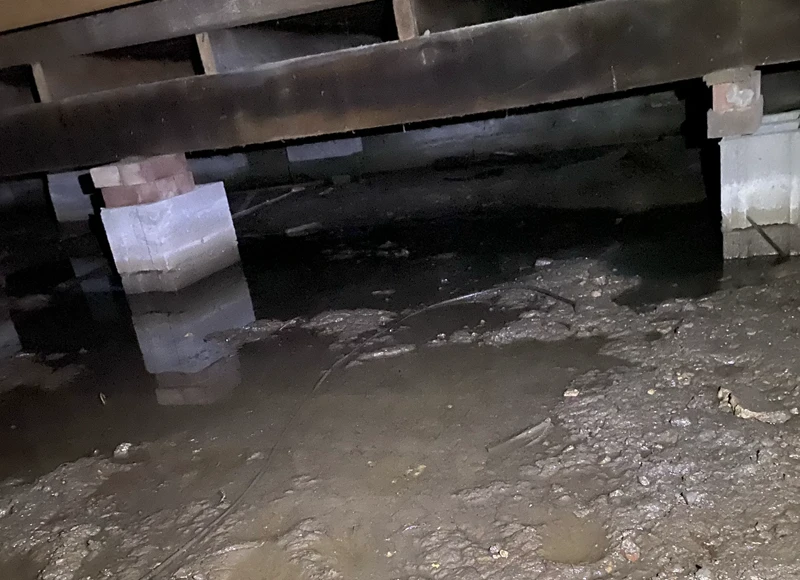
Water & Flooding
Water in your crawl space after heavy rain? Standing water and excess moisture are red flags that indicate serious drainage or grading issues. Left unchecked, it leads to mold, wood rot, and a compromised foundation. Learn what causes crawl space flooding and how to stop it before it worsens. Plumbing leaks are another possible cause. Identify where the water enters before choosing a repair.

Wall Cracks
Cracks in crawl space walls can reflect settlement, pressure, or other movement. Their pattern, width, and whether they are changing help determine the next step. A crack alone does not establish its cause. Understanding the difference between cosmetic and structural wall cracks is key to protecting your home.

Floor Cracks
Cracks in flooring above a crawl space can result from movement in the subfloor or supports. Cracks in a concrete crawl space floor need a separate assessment. Note their location and whether they are widening.
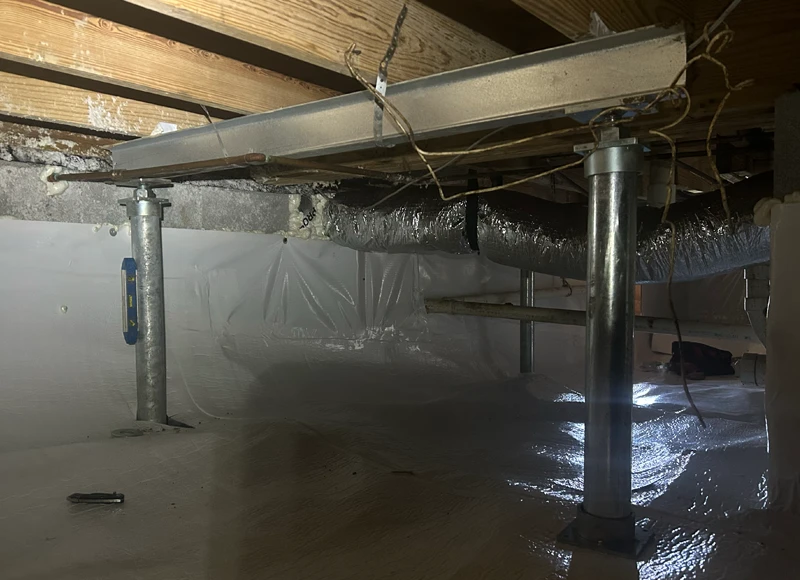
Sagging Floors
Bouncy, sagging floors? That’s often caused by excess moisture weakening support beams and floor joists beneath your home. Learn how crawl space structural repair can reverse this damage. An inspection can identify whether moisture damage or another structural issue is responsible. DFX also evaluates uneven floors to help determine the appropriate repair.

Rotted Floor Joists
Wood that stays damp can decay and lose strength. Damaged joists may need reinforcement or replacement, along with correction of the moisture source. Covering them with insulation will not restore their strength.

Musty Odors
A lingering musty smell can indicate damp materials or mold growth. Check for leaks, wet insulation, and excess humidity instead of masking the odor.

Condensation
Seeing moisture on crawl space surfaces or HVAC ductwork? Droplets on ducts, pipes, or other cool surfaces can form when humid air meets a surface below its dew point. Check humidity and insulation conditions, while ruling out a plumbing leak.

High Humidity
A crawl space can have a moisture problem without puddles. Persistent humidity can keep materials damp and support mold growth. Measurements help determine whether drainage, sealing, or dehumidification is needed.

Mold & Mildew
White fuzz or black spots on crawl space walls, insulation, or joists are signs of mold. Besides structural damage, mold in your crawl space can lead to serious health risks, especially for asthma or allergy sufferers. Address the moisture source and assess affected materials before covering the area.
Don’t Ignore the Signs
You do not need to diagnose the problem yourself. If you notice recurring dampness, new cracks, or changing floor levels, arrange an evaluation. These signs your crawl space needs repairs can help you describe what you have observed:
- Standing water or flooding.
- Musty odors.
- Sagging, soft, or bouncy floors.
- Persistently high humidity.
- Visible mold or mildew-like growth.
- Rotted floor joists.
- Crawl space wall cracks.
- Floor cracks.
- Condensation on ducts or other surfaces.
Vented Crawl Spaces
Vented crawl spaces have openings in the foundation walls for outdoor airflow. In humid weather, that air may add moisture rather than dry the space. Before changing crawl space vents, assess the whole moisture-control design and applicable requirements.

Unvented Crawl Spaces
Unvented crawl spaces limit outdoor air entry and use ground moisture control plus an appropriate drying strategy. A sealed vapor barrier is part of that system. Simply closing vents without addressing water and humidity can leave problems unresolved.
Conditioned Crawl Spaces
A conditioned crawl space receives controlled heating or cooling as part of its design. It can overlap with an unvented crawl space. The air supply, insulation, and moisture controls need to work together; ask a qualified professional to evaluate the arrangement before modifying HVAC equipment.
How Does Crawl Space Repair Work?
Crawl space repair starts by identifying the source of the damage. The solution may combine structural repairs, water collection and discharge, ground moisture control, and humidity management. DFX recommends crawl space repair options based on the conditions beneath your home, rather than assuming every space needs the same system.
Encapsulation
Crawl space encapsulation combines a sealed liner with measures to limit outside air and manage moisture. The liner covers the ground and appropriate foundation surfaces; it is not a prescription to wrap wood framing. Drainage and a drying strategy may also be needed. The benefits of encapsulation depend on the existing conditions and installation.
Structural Crawl Space Repair
Structural repairs address weakened or damaged joists, beams, and related floor components. Depending on the findings, crawl space repair may involve reinforcing sound material or replacing deteriorated components. Moisture correction often belongs in the same plan so repaired wood is not exposed to the original problem.

How Do Crawl Space Piers, Support Jacks, and Floor Joists Work?
Crawl space supports the weight of the floor above. Joists support the subfloor, beams carry joists, and posts or piers transfer loads to suitable footings and soil. When one part weakens or settles, the floor may sag or feel bouncy.
Support jacks are adjustable supports used beneath beams or other designated points in a designed repair. A permanent support system needs appropriate footings, spacing, and load capacity. It should not be confused with a temporary lifting jack or placed on loose soil.
Piers support loads below the structure. Existing masonry or concrete piers are common in pier and beam foundations. Where settlement and soil conditions call for deeper support, a designed repair may use helical piers. These are not interchangeable with adjustable floor supports.
Floor joists may also need attention. Adding support beneath a beam does not restore rotted joists. A professional should assess the wood, connections, supports, and moisture conditions before recommending reinforcement, replacement, or lifting.
Waterproofing
Crawl space waterproofing manages water entering beneath the home. It may include drainage, a sump pump, and exterior water-management improvements. A vapor barrier controls ground moisture vapor, but it cannot replace a system designed to collect and discharge standing water.
Sump Pumps
A sump pump collects water in a basin and pumps it to a suitable discharge point outside. DFX provides crawl space sump pump installation as part of its moisture-control services. Pump selection, drainage connections, power, and the discharge route all affect performance.

Mold Remediation
Mold remediation addresses affected materials and the conditions allowing growth. The work may involve cleaning salvageable surfaces or removing materials that cannot be adequately cleaned. Correcting leaks and persistent dampness is essential; applying a treatment alone does not solve the moisture problem.
New Vents & Doors
A damaged access door can let in water, outdoor air, or pests. Properly fitted crawl space doors and vent components should suit the space’s ventilation design and allow maintenance access. Vent changes need to account for any required flood openings or combustion-air needs.
Dehumidifiers
A crawl space dehumidifier removes moisture from the air. It may help when humidity remains elevated after water sources and air leaks are addressed. Correct sizing, an effective drain connection, and routine maintenance matter. It is not a substitute for repairing a leak or removing standing water.
Perimeter Drainage
Perimeter drainage collects water along the crawl space perimeter and routes it to a suitable outlet or sump system. The layout depends on where water enters and how it can leave the property. A working discharge route is just as important as the drain itself.
Does Crawl Space Encapsulation Stop Radon?
Encapsulation alone does not establish that a home has safe radon levels. Radon testing is needed, and elevated results may require a dedicated mitigation system installed by a qualified provider. A ground membrane can be one component of that system. Read more about encapsulation and radon.
Insulation
Crawl space insulation helps manage heat flow between the crawl space, outdoors, and living area. Its location depends on whether the space is vented or sealed. Repair leaks and damaged materials first, then select insulation and air sealing that suit the design.
Crawl Space Repair: What Can You DIY, and When Should You Hire a Professional?
Homeowners can handle some maintenance, such as keeping downspout extensions connected, monitoring humidity with a hygrometer, and looking for visible liner damage from a safe access point. These observations can help identify a developing problem.
Structural lifting, support installation, significant wood repairs, electrical work, and extensive mold cleanup need appropriate professional expertise. Do not enter a flooded or visibly unstable crawl space. A repair specialist can assess the cause and coordinate the work needed, including other trades when appropriate.
Crawl Space Repair Cost and Financing
Crawl space repair pricing depends on the work your home needs. A liner installation, a drainage system, and structural repairs involve different materials and labor. The ranges below should be read by job type, not added together automatically; a project quote may combine several services.

What Influences the Cost of Crawl Space Repair
The main cost drivers are the size and accessibility of the space, the extent of damage, and the proposed repair. Tight access, debris removal, extensive wood damage, or a long discharge route can add work. Ask whether dehumidification, electrical connections, and disposal are included. Our crawl space repair cost guide explains additional planning considerations.
Does Home Insurance or a Home Warranty Cover It?
Coverage depends on the cause and your policy. Sudden, accidental water damage may be covered, while gradual deterioration and maintenance problems are commonly excluded. Standard homeowners insurance generally excludes flood damage, and sump or sewer backup may need separate coverage. A home warranty is a different contract with its own covered systems and exclusions. Ask your provider to review the specific cause and proposed repairs.
How to Pay for Crawl Space Repair
Compare payment options using the full repayment cost, fees, and terms. Availability and approval requirements vary. Ask for the repair scope first so financing decisions are based on the work actually needed.
In-House DFX Financing Options
Ask about DFX financing options and the current application requirements. Review the lender’s terms, including interest, fees, and any promotional conditions, before committing.
Home Improvement Loans
A personal home improvement loan may spread the expense over fixed payments. Compare the interest rate, fees, repayment period, and total amount paid.
Home Equity Loans or HELOCs
These options use your home as security. Compare rates, repayment requirements, and the risk to your home if you cannot make payments.
Credit Cards
A credit card may be an option for a smaller expense, but interest and fees can increase the total cost. Check when any promotional rate ends and what applies afterward.
Government or Non-Profit Programs
In certain cases, local or federal programs may offer financial assistance for home repairs, especially if your home has been affected by a disaster or qualifies for energy efficiency improvements.
Why Crawl Space Repair Is Worth It
Addressing an active moisture or structural problem can help protect the materials and systems beneath your home. The value of the work depends on choosing a repair that matches the cause. Ask what each proposed item addresses and what could happen if that specific issue remains unresolved.
Getting a Crawl Space Repair Estimate
A useful estimate makes the scope easy to compare. Look for:
- The identified problems and proposed repairs.
- Materials, equipment, and what the price includes.
- The anticipated schedule and any separate work needed.
- Warranty terms, exclusions, and maintenance requirements.
Compare proposals by scope and support, not price alone. Ask the contractor to explain any differences you do not understand.
Buying a House with Crawl Space Issues: Should You or Should You Not?
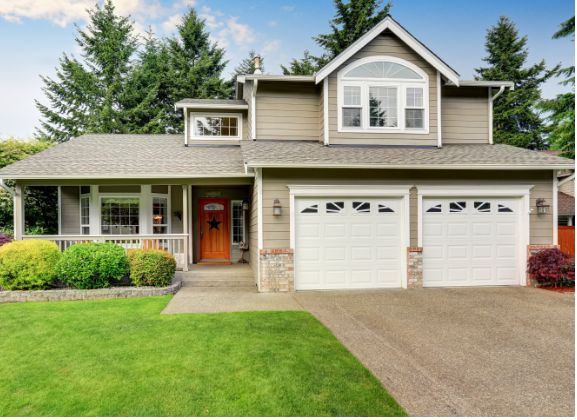
Negotiation: Crawl space problems often scare off buyers, which can lower the home’s asking price. Use this as leverage to negotiate repairs or a better deal. The discount should cover the cost of repairs—and compensate you for the hassle.
Risks: Repairs may uncover deeper issues. Some lenders may hesitate to approve loans for homes with significant structural or moisture concerns, so make sure your financing is secure.
Should you buy? If the price is right and you’re ready to handle the repairs, it can be a smart investment. Just be sure you’re fully informed and have the right pros lined up. If the issues feel overwhelming or aren’t being disclosed clearly, it may be safer to walk away.
Buying a House with Previous Crawl Space Repairs
What if the issues have already been fixed? This can actually be a good thing, if the repairs were done properly. Here’s what to check:
Documentation: Ask the seller for proof of repairs, including who did the work, what methods were used, and whether the warranty is transferable. Crawl space repair warranties are often a major asset.
Inspection: Even if it’s been repaired, still have a professional take a look. They’ll confirm the repairs are holding and check for new problems. Sealed or encapsulated crawl spaces should show no signs of moisture or deterioration.
Value & trust: Some buyers worry about homes with repair history, but fully repaired and documented crawl space work is a positive. It shows the issue was addressed, not ignored.
Should you buy? If repairs were done right and include a warranty, it’s usually a safe bet. If not, or if problems have returned, proceed with caution.
Selling a Home with Crawl Space Repairs
If your home has crawl space issues, fixing them before listing is almost always a smart move. Homes with unresolved problems tend to sit longer on the market and sell for less.
Once repairs are done:
- Disclose everything: Be transparent about past issues and provide repair documentation. It builds buyer trust.
- Share the warranty: A transferable warranty shows confidence in the work and can help close the sale.
- Market the repair: Use the repair as a selling point—buyers will appreciate that the work is done and backed by pros.
How Crawl Space Repair Impacts Home Value
Crawl space repair doesn’t just fix structural risks, it protects and can even increase your home’s value:
- Buyers are more likely to make strong offers on homes with clean, dry, well-maintained crawl spaces.
- Lenders feel more confident approving loans when structural risks have been addressed.
- Appraisers factor in completed repairs when determining home value.
- A repaired crawl space adds peace of mind, and fewer surprises during inspection makes for smoother closings.
In short, crawl space issues may sound scary, but with proper repairs, documentation, and expert guidance, they can be handled in a way that protects your investment and your home. Fixing crawl space issues doesn’t just make your home safer, it also makes it more appealing to future buyers. Encapsulation, waterproofing, and structural repair can all increase perceived value, reduce time on the market, and prevent surprises during a buyer’s inspection. If you’re planning to sell in the near future, investing in crawl space repair now can lead to a higher return when it counts most.
Preventative Measures to Avoid Crawl Space Problems
Crawl space issues are easier, and less expensive, to prevent than to fix. Here are some key maintenance and prevention strategies to help keep your crawl space dry, stable, and problem-free:
Inspect your crawl space regularly for signs of moisture, pests, or structural damage.
Clean gutters and extend downspouts to direct rainwater away from your foundation.
Ensure proper grading around your home so water drains away from the crawl space.
Seal air leaks and gaps to block humid air and pests from entering.
Use a vapor barrier to prevent ground moisture from seeping into the space.
Install a dehumidifier to control humidity levels, especially in sealed or encapsulated spaces.
Check for plumbing leaks under the home that may cause hidden moisture problems.
Schedule annual inspections with a crawl space or foundation expert to catch early warning signs.
Avoid storing items in the crawl space that can trap moisture or attract pests.
Keep vents and access doors in good condition to protect against weather and wildlife.
Implementing these preventative measures can significantly extend the life of your crawl space and help you avoid costly repairs down the road.
Useful Crawl Space Repair Information Every Homeowner Should Know
Understanding the details of crawl space issues and repair options helps homeowners make informed, confident decisions. Below, we’ve grouped our most valuable insights into easy-to-scan categories so you can quickly find the answers and guidance you need.

Crawl Space Encapsulation & Vapor Barrier Installation Insights
Crawl space encapsulation is one of the most effective long-term solutions for preventing moisture damage, improving energy efficiency, and protecting your foundation. Homeowners often have questions about when encapsulation is necessary, how it compares to vapor barriers, and whether it’s worth the investment.
What Is Crawl Space Encapsulation—and Why Does It Matter?
Encapsulation involves sealing off your crawl space with a vapor barrier to create a controlled environment. This process keeps moisture out, reduces humidity, and prevents mold, wood rot, and pests from taking hold. If you’re seeing signs of water intrusion or high humidity, learning about crawl space repair and encapsulation options can help you determine if it’s the right fix.
Is Crawl Space Encapsulation Necessary for Your Home?
Not every crawl space needs full encapsulation, but many benefit from it, especially in humid climates. If you’re wondering whether your home is a good candidate, it’s important to weigh the signs: moisture, musty odors, high energy bills, or ongoing pest problems. A guide on whether encapsulation is necessary can help you make an informed decision.


Crawl Space Encapsulation vs. Vapor Barriers: What’s the Difference?
Some homeowners confuse vapor barriers with full encapsulation. A vapor barrier covers just the floor, while encapsulation seals the entire space—including walls and sometimes ceilings. Understanding the difference helps ensure you’re choosing the solution that matches your home’s specific needs.
Is Crawl Space Encapsulation Smart Investment?
Encapsulation isn’t cheap, but it pays off. In addition to lowering heating and cooling costs, it boosts home resale value and reduces long-term maintenance. If you’re thinking long term, understanding whether crawl space encapsulation is a good investment is worth exploring.
Common Questions from Homeowners about Crawl Space Encapsulation
Still unsure about the process? You’re not alone. Many homeowners have similar concerns about costs, maintenance, and installation steps. A resource that answers common encapsulation questions can help ease your mind and guide your next steps.
Crawl Space Encapsulation and Your Foundation’s Health
Beyond comfort and air quality, encapsulation plays a major role in preserving your foundation. Excess moisture leads to soil expansion and shifting, which compromises structural stability. By learning how encapsulation protects your home’s foundation, you can make proactive decisions that prevent bigger issues down the line.
When to Install a Vapor Barrier in the Crawl Space (and Avoid Mistakes)
If you’re not ready for full encapsulation, installing a vapor barrier is often the first step. But it needs to be done right. Knowing what a vapor barrier does, when to install one, and what mistakes to avoid can save you time, money, and frustration.

Crawl Space Moisture, Humidity & Waterproofing Problems Insights
Controlling moisture is critical to crawl space health. Without proper waterproofing, crawl spaces become breeding grounds for mold, wood rot, and pest infestations, all of which can compromise your home’s structure and indoor air quality.

Why Humidity in the Crawl Space Is a Problem
High humidity in a crawl space creates the perfect environment for decay and mold growth. It also affects your entire home, causing musty odors, warped floors, and increased energy costs. Understanding what causes crawl space humidity, and how to control it, is the first step in creating a healthier home environment.
Crawl Space Dehumidifiers: When and Why You Need One
A crawl space dehumidifier is a powerful tool for moisture control, especially in sealed or encapsulated spaces. But not all homes need one. Learn how to determine if a dehumidifier is necessary and how to choose the right model for your space.
Crawl Space Waterproofing Strategies That Work
Waterproofing a crawl space isn’t about a single fix, it’s a system. Solutions like perimeter drainage, sump pumps, vapor barriers, and grading adjustments all work together to keep water out. If you’re seeing signs of water intrusion, waterproofing is one of the most important investments you can make.
What to Do About Water in Your Crawl Space
If you’ve noticed standing water or damp ground in your crawl space, you’re not alone. Learn the common causes, like poor drainage or plumbing leaks, and what steps to take to stop the damage before it spreads.
Protecting Your Crawl Space from Moisture and Mold
A damp crawl space doesn’t just affect the area below your home, it can create mold issues that spread to living spaces. Discover the most effective waterproofing strategies to eliminate moisture and protect your family’s health.
Crawl Space Humidity and Foundation Risk
Moisture doesn’t just rot wood, it also affects your foundation. High crawl space humidity can cause shifting soil, structural instability, and long-term foundation damage. Understanding the link between humidity and your home’s structural integrity is key to long-term stability.
Crawl Space Airflow, Ventilation & Mold Safety Insights
Crawl spaces are deeply affected by air movement and ventilation design. While older building practices favored open vents, modern research shows that sealing and managing airflow is a better way to control moisture, reduce mold growth, and improve indoor air quality.
Crawl Space Ventilation Strategies That Work (and Don’t)
Today, crawl space ventilation requires a more nuanced approach. Rather than relying on traditional open vents, which invite outside moisture, homeowners are turning to sealed crawl spaces combined with dehumidifiers or controlled air exchange. Knowing which crawl space ventilation strategies work, and which don’t, can save you from costly repairs and inefficiencies.
Are Crawl Space Vents Still a Good Idea in 2025?
If you’re wondering whether crawl space vents are still beneficial, the short answer is: probably not. Modern building codes often recommend sealing crawl spaces instead. Learn why crawl space vents may be outdated, and what the best practices are in 2025.
Mold and Health Risks in the Crawl Space
A neglected crawl space can become a haven for mold, and the consequences don’t stop there. Mold spores can circulate into your home, affecting respiratory health and aggravating allergies. Understanding how crawl space issues affect your health and air quality helps homeowners prioritize repair and remediation.
Get a Free Crawl Space Inspection Today
If you suspect crawl space issues in your home, don’t wait to act. DFX Foundation & Waterproofing Experts offers free, professional evaluations to homeowners in Memphis, Nashville, Chattanooga, Little Rock, and nearby areas. Our experienced team will thoroughly inspect your crawl space, identify the root causes, and recommend custom solutions that are right for your home.
Why Homeowners Choose DFX


100% Satisfaction Guaranteed
ON-STAFF STRUCTURAL EXPERTS
20+ YEARS OF EXPERIENCE
EXCELLENT COMMUNICATION
Free Inspections
We don’t believe in guesswork—or pressure tactics. Every DFX inspection is free, thorough, and focused on facts. Our experts take the time to explain what’s really happening beneath your home and outline the right solution, so you can make confident decisions without obligation.
Experience
With decades of hands-on experience, DFX has seen every kind of foundation challenge—and solved it. Our team combines field expertise with proven repair methods, delivering solutions that stand the test of time, not just the next storm.
Trusted By Homeowners
Homeowners call DFX because we do what we say we’ll do. Our reputation was built one honest inspection and one lasting repair at a time—earning trust across the region through integrity, craftsmanship, and real results.
Fast, Professional Service
From your first call to project completion, we move quickly—without cutting corners. DFX crews show up on time, work efficiently, and leave your property cleaner than they found it, because professionalism isn’t an extra—it’s our standard.
Encapsulation is the process of sealing your crawl space to block out moisture, pests, and air leaks.
It depends on the size and condition of your crawl space.
Absolutely. It improves energy efficiency, indoor air quality, and home value.
Yes. Encapsulation deprives mold of moisture and blocks rodent access.
Often yes, depending on your municipality.
It’s possible, but hiring a pro ensures it’s done right and often includes a warranty.
If done poorly or without moisture control, it can trap humidity and worsen problems.
Costs depend on drainage and sealing needs.
Yes. Even small amounts can cause major structural and air quality issues over time.
Rarely. Without drainage or dehumidification, moisture usually persists.
If your humidity levels are consistently above 60%, yes.
As centrally as possible, with good airflow and drainage access.
Crawl space models are efficient and often cost less than $20/month to run.
A thick plastic sheeting that prevents ground moisture from rising into the space.
Yes. Vapor barriers are essential to keep your crawl space dry and mold-free.
Typically 10–20 years when professionally installed.
It collects water in a basin and pumps it out and away from your home.
Installation costs depend on system complexity.
Backup systems and regular maintenance are key to preventing water damage.