
Your crawl space may be hidden beneath your home, but it plays a major role in protecting your foundation, indoor air quality, and overall structural integrity. When crawl space problems are left untreated, they can lead to moisture damage, mold growth, sagging floors, higher energy bills, and expensive structural repairs.
The good news is that many crawl space repair issues show warning signs long before they become major problems. Knowing what to look for can help you address damage early and avoid more costly repairs down the road.
In this guide, you'll learn how to recognize the most common signs your crawl space needs repair, what causes crawl space damage, when it's time to call a professional, and how preventative solutions like crawl space encapsulation and moisture control can help protect your home for years to come.
Key Takeaways
- Musty odors, standing water, mold, and sagging floors are some of the most common signs your crawl space needs repair.
- Moisture is the leading cause of crawl space damage, contributing to mold growth, wood rot, pest activity, and structural deterioration.
- Early crawl space repairs are typically less expensive than waiting until foundation or structural damage develops.
- Regular inspections and preventative solutions like crawl space encapsulation, vapor barriers, and drainage improvements can help keep your crawl space dry and healthy.
- If you notice recurring moisture, uneven floors, or signs of structural movement, schedule a professional crawl space inspection as soon as possible.
Table of Contents
What Are the Common Signs Your Crawl Space Needs Repair?
Many crawl space problems develop gradually, making them easy to overlook until they begin affecting your home's structure or comfort. Knowing the early warning signs can help you schedule crawl space repairs before minor issues become major expenses.
Visual Clues
If you safely inspect your crawl space, keep an eye out for these common signs of damage:
- Cracks in crawl space walls or foundation elements: These may indicate foundation settlement or shifting soil beneath your home.
- Standing water or damp soil: Water should never remain in your crawl space. Persistent moisture often points to drainage problems, plumbing leaks, or groundwater intrusion.
- Mold or mildew growth: Black, green, or white discoloration on wood, insulation, or masonry is a strong indicator of excessive humidity and crawl space moisture.
- Wood rot or rusting metal supports: Long-term exposure to moisture can weaken floor joists, support beams, and metal components, reducing your home's structural stability.
- Fallen or damaged insulation: Insulation hanging from the floor system often signals moisture issues, pest activity, or previous water intrusion.
Ignoring these warning signs can allow crawl space damage to spread, resulting in more extensive and costly repairs.
Inside the Home
You don't always have to enter your crawl space to recognize a problem. Many warning signs appear inside your home first.
- Musty odors: Persistent earthy smells coming from floors, vents, or lower levels often indicate mold or excess moisture below your home.
- Uneven, soft, or sagging floors: When floor joists weaken, you’ll often notice dips or bounce when walking through rooms.
- High indoor humidity: A damp crawl space can increase humidity throughout your home, making it harder for your HVAC system to maintain comfortable temperatures.
- Higher energy bills: Wet insulation and humid air force your heating and cooling system to work harder throughout the year.
- More allergy symptoms: Mold spores, dust mites, and other airborne contaminants can travel upward from the crawl space, reducing indoor air quality.
- Doors or windows sticking: As moisture and structural movement affect your home's framing, doors and windows may become harder to open or close.
Addressing these issues early helps protect your home's foundation while improving comfort, energy efficiency, and indoor air quality.
Signs You Shouldn't Ignore
Some crawl space problems require prompt professional attention. Schedule an inspection if you notice:
- Standing water after rainstorms
- Strong musty odors that don't go away
- Sagging or bouncy floors
- Visible mold growth
- Cracked or deteriorating support beams
- Rodent or termite activity
- Persistent high humidity inside your home
Early repairs are almost always simpler and less expensive than waiting until structural damage becomes more severe.
What Causes Problems in a Crawl Space?
Most crawl space damage doesn't happen overnight. Instead, it develops over time as moisture, poor drainage, aging materials, and other issues begin affecting the area beneath your home. Understanding what causes crawl space problems can help you prevent expensive repairs and extend the life of your home's foundation.
Water is the number one cause of crawl space damage. Groundwater seepage, plumbing leaks, clogged gutters, poor grading, and heavy rainfall can all introduce moisture beneath your home. Over time, excess water creates the ideal conditions for mold growth, wood rot, rust, and foundation deterioration.
Ignoring these underlying causes allows small problems to grow into larger structural and moisture-related issues. Identifying the source of the problem is just as important as repairing the visible damage.
Moisture is one of the biggest threats to a healthy crawl space. Even a small amount of water intrusion can create conditions that lead to mold growth, wood rot, pest activity, and structural deterioration over time. Left untreated, these issues often become more difficult—and more expensive—to repair.
When humidity levels remain high, mold can begin growing on wood framing, insulation, and other organic materials. As mold spreads, it releases airborne spores that can move into your living space through the stack effect, reducing indoor air quality and potentially aggravating allergies, asthma, and other respiratory concerns.
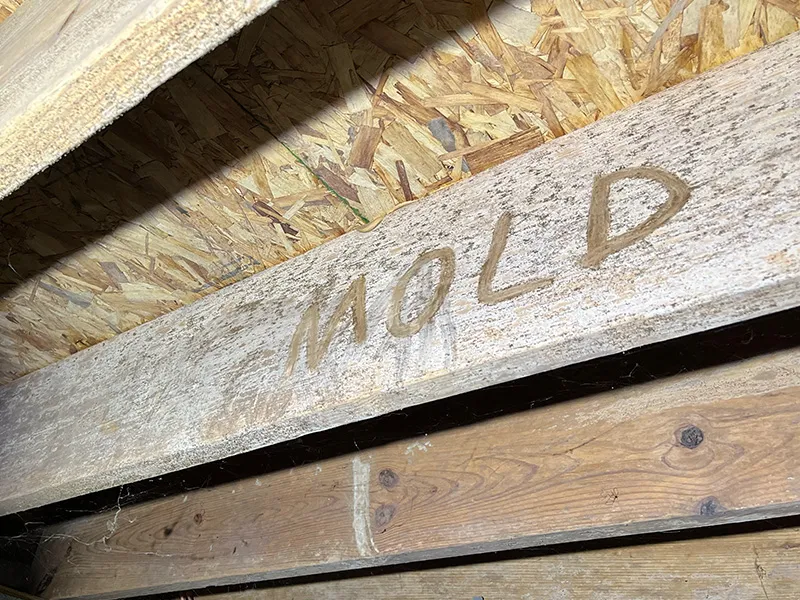
Excess moisture can also cause:
- Dry rot in floor joists, beams, and wood framing
- Rust and corrosion on steel supports, HVAC components, and plumbing
- Soil expansion and foundation movement caused by saturated ground
- Damaged or compressed insulation that reduces your home's energy efficiency
- Increased humidity throughout the home, making your HVAC system work harder
Because moisture is the driving force behind many crawl space problems, prevention is just as important as repair. Solutions like crawl space encapsulation, vapor barriers, dehumidifiers, sump pumps, and proper drainage systems work together to help keep the area dry and protect your home's foundation for the long term.
Structural Impact
- Joist and beam failure: Moisture and pests weaken the floor supports, causing bounce, squeaking, or outright sagging.
- Wall and ceiling cracks: As the crawl space shifts or settles, it can distort your home’s framing.
- Foundation instability: Structural damage in the crawl space can lead to settlement, shifting, or bowing foundation walls.
Interior Problems
- Poor air quality: Mold spores, dust, and allergens get pulled up through the stack effect.
- Energy inefficiency: Damp air requires more energy to cool or heat, raising your utility bills.
- Pest infestations: Rodents and insects can migrate from the crawl space into walls and living areas.
Fixing these issues quickly through proper crawl space repair can preserve your home’s safety, efficiency, and value.
Can Crawl Space Problems Get Worse Over Time?
Yes. Most crawl space issues begin as relatively small problems, but they rarely improve on their own. Moisture, mold, and structural damage typically become more severe the longer they're left untreated.
| Early Warning Sign | What It Can Lead To |
| Standing water | Mold and wood rot |
| High humidity | Damaged insulation and poor air quality |
| Sagging floor joists | Uneven floors and structural repairs |
| Minor foundation movement | Larger settlement and foundation repair |
The sooner crawl space issues are identified, the more options homeowners typically have to address the problem before major repairs become necessary.
DIY Crawl Space Checklist:
- Musty or damp smell: A sign of moisture or mold presence.
- Visible mold or water stains: Often the first indicator of crawl space moisture problems.
- Wood rot or rusting metal: Compromises your floor’s support system.
- Cracked foundation walls: Points to shifting or settling.
- Drooping or missing insulation: May signal pest damage or past flooding.
- Pest droppings or nests: Rodents and insects often target crawl spaces first.
While you can do a preliminary check, if you notice any of the above, it’s best to schedule a professional inspection. DIY repairs often miss the root causes behind crawl space damage.
How to Check for Crawl Space Leaks
Finding a crawl space leak early can help prevent mold growth, wood rot, and costly structural repairs. While some leaks are obvious, others develop slowly over time and may only show subtle warning signs.
When inspecting your crawl space, look for:
- Standing water or wet soil after heavy rain, which may indicate groundwater intrusion or drainage problems.
- Dripping pipes or plumbing connections that can introduce moisture even during dry weather.
- Water stains or damp spots on foundation walls, support piers, or floor joists.
- A musty odor or visible mold, which often signals long-term moisture issues.
- Condensation on ductwork or pipes, especially during humid weather.
If you suspect a leak, it's important to identify where the water is coming from. Plumbing leaks, poor exterior drainage, foundation cracks, and groundwater seepage can all allow moisture into a crawl space. Because the source isn't always obvious, recurring water problems should be evaluated by a crawl space professional before they lead to more extensive damage.
When Should You Call a Professional for Crawl Space Repair?
While routine inspections can help you catch problems early, some crawl space issues require professional evaluation and repair. If you're seeing recurring moisture, structural changes, or signs of mold, it's important to identify the underlying cause before the damage spreads.
Consider scheduling a professional crawl space inspection if you notice:
- Standing water or recurring moisture, even after improving drainage around your home.
- Visible mold, mildew, or persistent musty odors that continue to return.
- Sagging, soft, or uneven floors above the crawl space.
- Wood rot, damaged floor joists, or deteriorating support beams.
- Cracks in foundation walls or signs of structural movement.
- Rodent, termite, or other pest activity in the crawl space.
- High indoor humidity or rising energy bills that may be linked to moisture below your home.
A professional inspection can determine whether your home would benefit from crawl space repair, waterproofing, encapsulation, drainage improvements, structural reinforcement, or a combination of solutions. Addressing the root cause—not just the visible symptoms—helps protect your home's foundation and reduces the likelihood of future problems.
At DFX Foundation & Waterproofing Experts, we provide customized crawl space solutions designed to keep your home dry, stable, and protected for the long term.
Benefits of Early Crawl Space Repair
- Protect your foundation and structural supports: Repairing damage early helps prevent issues from spreading to floor joists, support beams, walls, and other structural components.
- Improve indoor air quality: Controlling moisture reduces mold growth, allergens, and musty odors that can circulate throughout your home.
- Prevent future moisture problems: Solutions like crawl space encapsulation, vapor barriers, drainage systems, and dehumidifiers help create a drier, healthier environment beneath your home.
- Lower heating and cooling costs: Dry insulation and reduced humidity help your HVAC system operate more efficiently, which can lower monthly energy bills.
- Reduce the risk of expensive repairs: Fixing a small moisture issue today is typically much less costly than repairing major structural damage later.
- Protect your home's value: A clean, dry, well-maintained crawl space can give buyers greater confidence and help preserve your property's long-term value.
Investing in crawl space repair today can help you avoid larger foundation problems tomorrow while giving you greater peace of mind.
Protect Your Home Before Crawl Space Damage Gets Worse
Your crawl space may be out of sight, but it has a direct impact on your home's structural stability, indoor air quality, and overall comfort. Addressing moisture problems and structural concerns early can help prevent more extensive damage while protecting one of your biggest investments.
Whether you're dealing with standing water, mold, sagging floors, wood rot, or high humidity, DFX Foundation & Waterproofing Experts can identify the source of the problem and recommend the right solution for your home. From crawl space repair and waterproofing to encapsulation and structural reinforcement, our experienced team is committed to delivering long-lasting results.