
Key Takeaways
- Basement water may come from poor drainage, groundwater pressure, cracks, plumbing leaks, or condensation.
- Where and when the water appears can offer clues about the source.
- Surface sealants may not stop leaks caused by drainage issues or water pressure.
- Finding the underlying cause is the first step toward a lasting solution.
A puddle on the floor or a damp spot on the wall can quickly turn your basement into a source of stress. The common causes of basement leaks range from clogged gutters and foundation cracks to sump pump problems and condensation.
However, the place where you notice water is not always where the problem started. Water can travel through soil, cracks, joints, and building materials before becoming visible inside your basement. Understanding what causes basement leaks can help you recognize warning signs, limit further damage, and determine when it is time to call a waterproofing professional.
What Are the Most Common Causes of Basement Leaks?
Basement leaks often begin outside the home, where rainwater or groundwater collects around the foundation. However, water can also come from plumbing problems or excess indoor moisture. These are eight of the most common causes to consider.
1. Poor Yard Grading
Your yard should slope away from the foundation so rainwater can drain safely. If the ground is flat or slopes toward your home, water may collect beside the basement walls. Over time, this can saturate the soil and increase the risk of water intrusion.


2. Clogged Gutters or Short Downspouts
Gutters and downspouts help direct roof runoff away from your foundation. When gutters become clogged or downspouts release water too close to the house, large amounts of water can soak into the surrounding soil. This is a common reason basement leaks appear after heavy rain.
3. Hydrostatic Pressure
When the soil surrounding your foundation becomes saturated, groundwater creates pressure against basement walls and beneath the floor. This is called hydrostatic pressure. The pressure can force water through cracks, joints, and other weak points in the foundation.


4. Foundation Wall or Floor Cracks
Concrete can develop cracks due to shrinkage, soil movement, settlement, or changing weather conditions. Even a narrow crack may create a path for water to enter the basement. Sealing the visible surface may provide temporary relief, but the crack or underlying drainage problem may still require professional attention.
5. Leaks at the Wall-Floor Joint
The point where the basement wall meets the floor is a common entry point for groundwater. These two parts of the foundation are usually poured separately, creating a natural joint. When water pressure builds beneath the home, moisture may seep through this connection and collect around the edges of the basement floor.


6. Sump Pump or Drainage System Failure
A sump pump helps collect and remove groundwater before it reaches the basement. Leaks or flooding may occur if the pump loses power, becomes clogged, wears out, or cannot keep up with heavy rainfall. Blocked interior drains or an improperly placed discharge line can also prevent water from moving safely away from the home.
7. Basement Windows and Window Wells
Window wells can collect rainwater when they lack proper covers or drainage. Clogged drains, damaged window seals, and poorly fitted windows may then allow water to enter. Puddles directly below a basement window are a strong sign that the window well should be inspected.

8. Plumbing Leaks and Condensation
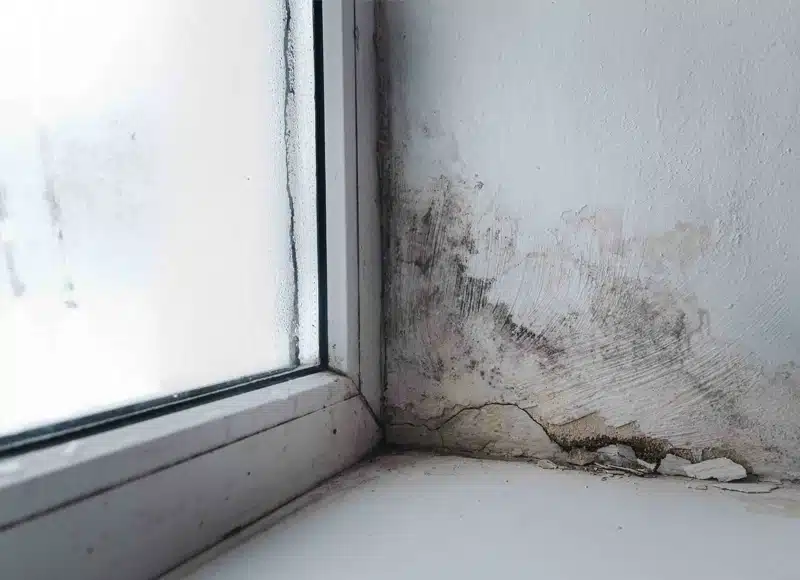
Not every basement water leak comes through the foundation. Leaking pipes, water heaters, washing machines, and other plumbing fixtures can create wet spots at any time. Condensation may also form when humid air reaches cool pipes, walls, or floors. Checking when and where the moisture appears can help separate these problems from rain-related basement leaks.
Where Is the Basement Water Coming From?
The location and timing of a basement leak can provide helpful clues about its source. While a professional inspection is the best way to confirm the problem, this quick comparison can help you know what to look for.
| What You Notice | Likely Cause | When It Appears |
| Damp wall or stain | Crack or poor drainage | After rain |
| Water near floor edges | Hydrostatic pressure | During heavy rain |
| Puddle below a window | Window well problem | After rain |
| Moisture around pipes | Leak or condensation | Any time |
Remember, water can travel before it becomes visible. A puddle on the basement floor may have started with a wall crack, saturated soil, or another problem several feet away. If moisture keeps returning in the same area, it is important to investigate the source instead of repeatedly drying or covering the wet spot.
Warning Signs That a Small Basement Leak Is Getting Worse
A basement leak may begin as a small damp spot, but ongoing moisture can lead to larger problems. Watch for signs that water is continuing to enter the space or damage surrounding materials:
- Persistent musty odors
- White, chalky deposits on concrete
- Peeling paint or bubbling wall coverings
- Damp carpet, flooring, or stored belongings
- Mold or mildew growth
- Rust on metal fixtures or appliances
- Foundation cracks that widen or change
- A sump pump that runs frequently
These warning signs should not be ignored, even if you do not see standing water. Hidden moisture can affect finished walls, insulation, flooring, and indoor air quality. Addressing the source early may help prevent more extensive repairs later.

How to Help Prevent Basement Leaks
A few routine maintenance steps can help keep rainwater away from your foundation and make potential problems easier to catch:
- Clean your gutters regularly. Remove leaves and debris so roof runoff can flow freely.
- Extend downspouts away from the foundation. Make sure they release water where it can drain safely away from your home.
- Check the slope of your yard. Fill low spots where water collects near basement walls.
- Test and maintain your sump pump. Confirm that it turns on, removes water, and discharges it away from the foundation.
- Monitor cracks and water stains. Look for changes in their size, color, or moisture level.
- Schedule an inspection for recurring leaks. Water that returns after storms may indicate a larger drainage or groundwater problem.
These steps can reduce the risk of water intrusion, but they may not be enough when hydrostatic pressure or ongoing drainage problems are involved. In those cases, a professionally installed basement waterproofing system may provide more reliable protection.
Protect the Rest of Your Home from Moisture
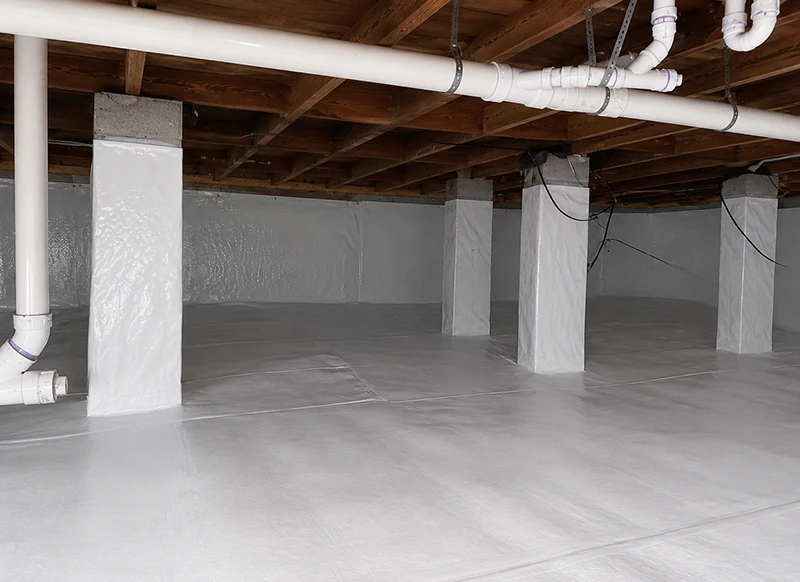
Moisture problems may not be limited to the basement. If your home also has a damp or musty crawl space, excess ground moisture can contribute to mold growth, wood rot, unpleasant odors, and poor indoor air quality.
Professional crawl space encapsulation in Nashville can help control this moisture by sealing the crawl space from the ground and humid outside air. Addressing both areas can provide more complete protection for your foundation and the lower level of your home.
Get to the Source of Basement Leaks with DFX
Basement leaks are easier to address when you understand where the water is coming from and why it is getting inside. DFX Foundation & Waterproofing can inspect your basement, identify the source of the moisture, and recommend a solution based on your home’s specific needs. Our team offers customized basement waterproofing solutions, including drainage systems, sump pumps, crack repair, and other moisture-control services. If water keeps returning after storms or your basement shows signs of ongoing moisture, contact DFX to schedule a free evaluation and take the next step toward a drier, healthier home.
Common Basement Leak FAQs
Why does my basement leak only during heavy rain?
Heavy rain can overwhelm gutters, downspouts, sump pumps, or drainage systems. It also saturates the soil around your foundation, increasing hydrostatic pressure and forcing water through cracks, joints, and other weak points.
Can water come through a concrete basement floor?
Yes. When groundwater pressure builds beneath the foundation, water can seep through floor cracks or the joint where the floor meets the basement walls. An interior drainage system and sump pump may be recommended to collect and redirect the water.
How can I tell whether basement moisture is a leak or condensation?
Condensation often appears as light moisture on cool pipes, walls, or floors, especially during humid weather. A leak is more likely to create a concentrated wet spot, stain, puddle, or recurring moisture after rain. A professional inspection can confirm the source.
Will sealing a basement crack stop the leak permanently?
It depends on why the crack formed and what is causing the leak. Crack repair may stop water entering through a specific opening, but it will not correct poor drainage, foundation movement, or groundwater pressure. The underlying cause should be addressed as part of the solution.
When should I call a basement waterproofing professional?
Contact a professional if water keeps returning, cracks are changing, your sump pump runs constantly, or you notice mold, musty odors, damaged materials, or standing water. An inspection can identify the source and determine which repairs or waterproofing measures are appropriate.