
If your crawl space feels damp, smells musty, or shows signs of moisture buildup, you might be wondering if installing a crawl space dehumidifier is really necessary. For many homeowners, it’s not an optional upgrade, it’s a key part of protecting your home from long-term damage caused by high crawl space humidity.
A crawl space dehumidifier helps regulate moisture under your house, keeping humidity levels balanced and preventing issues like mold growth, wood rot, and insulation damage. When your crawl space stays dry, your whole home benefits — from better air quality to improved energy efficiency.
In this guide, we’ll explain why moisture in crawl spaces is such a common (and serious) problem, how to tell if you need a crawl space dehumidifier, and what other moisture control solutions might be required to keep your home healthy and dry.
Why Crawl Space Humidity Is a Bigger Problem Than You Think
High crawl space humidity can do more than make your home feel uncomfortable. It can quietly damage your home’s structure, indoor air quality, and energy efficiency over time. Because up to half the air you breathe indoors comes from your crawl space, excess moisture under your house can impact your entire living environment.
Keeping humidity levels balanced is essential to prevent mold growth, wood rot, pest activity, and poor air circulation. Understanding what causes moisture in your crawl space is the first step to solving it.
Common Causes of Moisture in a Crawl Space
There are several ways water and humidity can build up beneath your home:
- Groundwater seepage: Moisture naturally rises through exposed soil, especially after heavy rain.
- Poor ventilation: Open vents let humid air in during warmer months, which can condense on cool surfaces.
- Leaking pipes or HVAC systems: Even small plumbing leaks or condensation from ductwork can add unwanted moisture.
- Improper grading or drainage: Rainwater that pools around your foundation can seep into the crawl space.
- Lack of vapor barrier: Without a vapor barrier, ground moisture continually evaporates into the air.
Each of these factors contributes to high crawl space moisture levels, creating conditions where humidity can reach damaging levels.
How Humidity Affects Your Home
Once crawl space moisture takes hold, it doesn’t stay contained. It spreads through your home in multiple ways:
- Mold and mildew growth: High humidity creates a perfect environment for mold to thrive, affecting air quality and triggering allergies.
- Wood rot and structural weakening: Persistent dampness causes joists and beams to deteriorate.
- Insulation damage: Wet insulation loses effectiveness, reducing energy efficiency.
- Musty odors: The familiar “basement smell” often starts with a damp crawl space.
- Higher energy bills: Your HVAC system works harder to manage indoor humidity.
These issues highlight why crawl space humidity control is essential for maintaining a healthy, efficient home and why a crawl space dehumidifier is often part of the solution.

Signs You Might Need a Crawl Space Dehumidifier
Excess humidity in a crawl space doesn’t always show up right away. Many homeowners don’t realize there’s a problem until damage or odors become noticeable. By learning to recognize early warning signs, you can act before mold, rot, or high energy costs set in.
If you notice any of the following clues, it may be time to consider a crawl space dehumidifier or professional moisture control solution.
Visible Signs of Moisture Problems
Physical signs are often the easiest to spot. Look for:
- Condensation on ductwork or insulation — a clear sign of trapped humidity.
- Damp or discolored insulation that feels wet to the touch.
- Standing water or puddles on the crawl space floor.
- Mold or mildew growth on wood, pipes, or foundation walls.
- Corrosion or rust on metal ducts or fasteners.
These signs point to elevated moisture in your crawl space, often beyond what normal ventilation can handle.
Smells and Air Quality Clues
Your nose can reveal moisture issues even before your eyes do. Because crawl space air rises into your living areas, musty or earthy odors often indicate moisture under the house.
- Persistent musty smell: A strong indicator of mold in the crawl space or on subflooring.
- Increased indoor humidity: Sticky air or condensation on windows upstairs can stem from crawl space dampness.
- Allergy flare-ups: Mold spores or dust mites thrive in humid environments.
If the smell returns even after cleaning, that’s a sign of a deeper crawl space humidity problem.
Structural or Comfort Red Flags
When moisture lingers too long, it can start to affect your home’s comfort and structure:
- Sagging or uneven floors from weakened joists.
- Warped wood or soft spots in flooring.
- Cold floors in winter and sticky air in summer, showing poor insulation performance.
- Higher energy bills from HVAC overuse.
These symptoms often mean humidity has spread beyond the crawl space and a crawl space dehumidifier could be an important part of restoring balance and preventing further damage.
What a Crawl Space Dehumidifier Actually Does
A crawl space dehumidifier is designed to regulate humidity levels under your home, keeping the air dry enough to prevent mold, mildew, and wood rot. It works by pulling in damp air, removing excess moisture, and redistributing dry air throughout the space.
Unlike a standard household dehumidifier, a crawl space dehumidifier is built for larger, enclosed areas where air circulation is limited. It operates continuously to maintain ideal crawl space humidity levels, usually between 45–55%.
By keeping humidity in check, you protect your home’s structure, improve air quality, and even reduce your energy bills.

With vs. Without a Crawl Space Dehumidifier
| Condition | Without Dehumidifier | With Dehumidifier |
| Air Quality | Musty, damp air rises into the home | Clean, dry air throughout the crawl space |
| Mold & Wood Rot Risk | High due to constant moisture | Greatly reduced with stable humidity |
| Energy Efficiency | HVAC runs more to balance humidity | System operates more efficiently |
| Comfort | Humid, sticky, uneven temperatures | Consistent indoor comfort year-round |
| Structural Health | Wood and insulation degrade faster | Protected from long-term moisture damage |
A crawl space dehumidifier doesn’t just make the space drier. It helps protect your home from top to bottom. When combined with proper moisture control, it prevents the kind of hidden damage that leads to costly repairs.

When a Dehumidifier Alone Isn’t Enough
While a crawl space dehumidifier plays an important role in managing crawl space humidity, it can’t solve every moisture problem on its own. If water continues entering from the ground, walls, or plumbing, the dehumidifier will constantly run without fixing the root cause.
That’s why professional crawl space waterproofing often includes additional solutions like encapsulation, drainage, and structural repair. Together, these systems stop water intrusion, seal out outside air, and keep humidity stable long-term.
Pairing With Crawl Space Encapsulation
Encapsulation creates a sealed environment that prevents moisture from entering in the first place. Contractors install a heavy-duty vapor barrier over the floor and walls, then seal vents and joints to lock out humid air.
When used together, crawl space encapsulation and a dehumidifier provide the most effective humidity control. The vapor barrier stops moisture from seeping in, while the dehumidifier manages the small amount that remains in the air.
Drainage and Sump Pump Considerations
If you’ve noticed standing water or flooding under your house, a dehumidifier won’t be enough. Water should be removed through a crawl space drainage system that channels it toward a sump pump.
Once drainage is installed, the dehumidifier can maintain dry, balanced humidity levels instead of constantly fighting active water intrusion.
Addressing Foundation Cracks or Leaks
Sometimes, high moisture in the crawl space comes from more than just humidity. It can result from foundation cracks or leaks that allow groundwater to seep in. If you see water stains, efflorescence, or cracks in crawl space walls, it’s time for professional foundation repair or waterproofing services.
Fixing these issues ensures that your crawl space dehumidifier can work efficiently, without being overworked by continuous moisture entry.
Professional Crawl Space Inspection: The Smart Way to Know for Sure
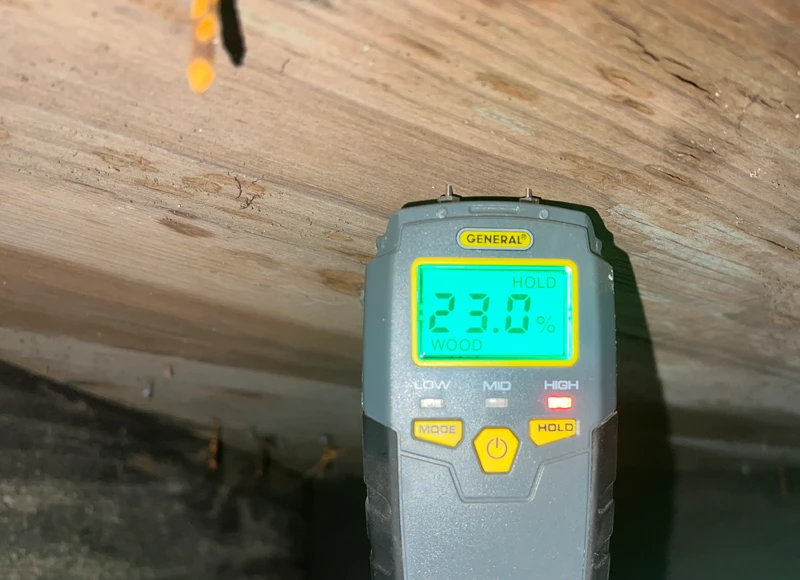
If you’re unsure whether you need a crawl space dehumidifier, the best next step is a professional inspection. A trained specialist can measure humidity levels, identify sources of moisture in the crawl space, and determine whether the issue is humidity, drainage, or structural damage.
During an inspection, experts use moisture meters and hygrometers to pinpoint problem areas. They’ll check for condensation on ductwork, mold growth, water stains, and signs of air leakage or standing water. Based on their findings, they can recommend the right combination of moisture control and waterproofing solutions to protect your home.
Getting a professional assessment helps you avoid unnecessary equipment costs and ensures that any crawl space humidity problems are solved at the source and not just managed temporarily.

Get Expert Help From DFX Foundation & Waterproofing Experts
If your crawl space feels damp, smells musty, or shows signs of moisture buildup, it’s time to have it checked by a professional. The experts at DFX can assess your crawl space humidity, inspect for water intrusion, and design a long-term solution tailored to your home’s needs.
Whether you need a crawl space dehumidifier, encapsulation system, or drainage installation, DFX provides proven methods to keep your crawl space clean, dry, and healthy. Our team specializes in moisture control, waterproofing, and foundation repair, ensuring every part of your home stays protected from humidity and water damage.
Don’t wait until musty odors or structural damage worsen. Schedule your free crawl space inspection today and take the first step toward a drier, healthier home.