
Key Takeaways
- Excessive humidity in crawl spaces can lead to mold growth, wood rot, structural damage, and poor indoor air quality.
- Moisture problems often originate from the soil, outside air, plumbing leaks, or inadequate moisture control systems.
- High crawl space humidity can attract pests such as termites, dust mites, and other insects.
- Elevated moisture levels can increase energy costs and make your home less comfortable year-round.
- Crawl space encapsulation, vapor barriers, and crawl space dehumidifiers are among the most effective long-term solutions.
- A professional crawl space inspection can identify hidden issues before they become costly repairs.

Why Humidity in Crawl Spaces Is a Serious Problem
Many homeowners rarely think about their crawl space. However, what happens beneath your home can directly affect your comfort, health, and property value.
High humidity in crawl spaces creates the perfect environment for moisture-related problems. Because air naturally moves upward through a home, moisture from a damp crawl space can eventually impact living areas above. This phenomenon, often called the stack effect, allows humid air, mold spores, and odors to circulate throughout the house.
Left untreated, excessive crawl space moisture can damage structural components, reduce energy efficiency, and create unhealthy indoor conditions.
Understanding the effects of humidity in crawl spaces can help homeowners take action before minor moisture issues turn into major repairs.
What Causes Humidity in Crawl Spaces?
Several factors contribute to elevated moisture levels beneath a home.
Moisture From the Ground
Bare soil constantly releases water vapor into the air. Without a properly installed vapor barrier, moisture can accumulate and increase relative humidity levels inside the crawl space.
Outside Air and Ventilation Problems
Many older homes rely on crawl space vents for airflow. Unfortunately, during warm and humid weather, outside air often introduces more moisture than it removes.

When humid air enters the crawl space and meets cooler surfaces, condensation can form on:
- Floor joists
- Ductwork
- Pipes
- Foundation walls
- Insulation
Plumbing Leaks
Even small plumbing leaks can create significant moisture problems over time. Slow drips often go unnoticed until mold growth or structural deterioration develops.
Poor Drainage Around the Home
Improper grading, clogged gutters, or drainage issues can direct water toward the foundation. This excess moisture eventually finds its way into the crawl space.
How High Humidity Affects Your Crawl Space
High humidity impacts much more than the air beneath your home.
| Humidity Issue | Potential Consequence |
| Condensation | Water damage |
| Mold growth | Health concerns |
| Wood rot | Structural weakening |
| Pest activity | Infestations |
| High moisture levels | Increased energy costs |
The longer moisture remains unchecked, the greater the risk of expensive repairs.
Mold Growth and Indoor Air Quality Problems
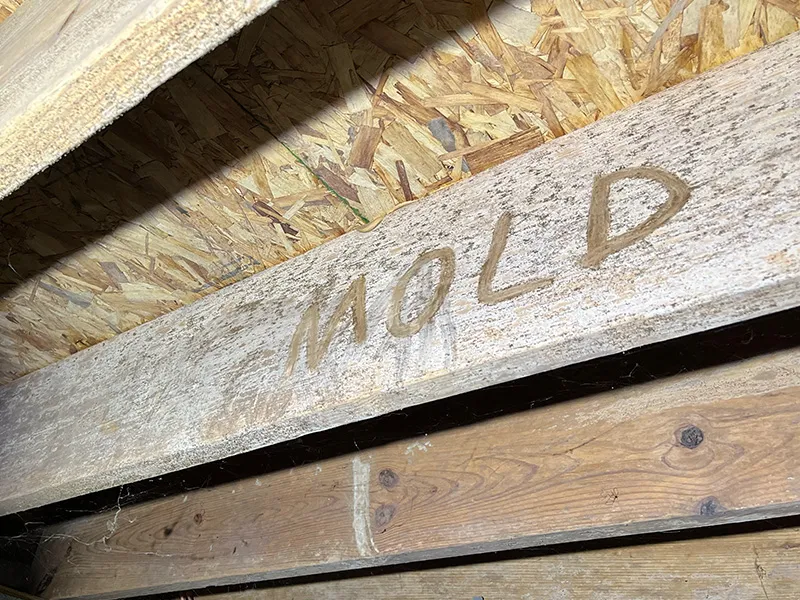
One of the most common effects of excessive humidity is mold growth.
Mold thrives in damp environments where moisture is consistently present. Once mold develops in a crawl space, spores can spread throughout the home and negatively affect indoor air quality.
Common Health Risks Associated With Crawl Space Moisture
High crawl space humidity can contribute to:
- Allergic reactions
- Respiratory issues
- Asthma flare-ups
- Sinus irritation
- Eye and skin irritation
- Increased exposure to dust mites
Homes with elevated moisture levels often develop musty odors that migrate into living spaces. If your home smells damp despite regular cleaning, the crawl space may be the source.
Structural Damage Caused by Crawl Space Humidity
Moisture doesn't just affect air quality. It can also compromise your home's structural integrity.

Wood Rot and Deterioration
Most crawl spaces contain wood framing components that support the floor system above. Prolonged exposure to moisture can cause:
- Floor joist deterioration
- Wood rot
- Sagging floors
- Soft or bouncy flooring
- Reduced load-bearing capacity
Over time, structural damage can become severe enough to require extensive crawl space repair.

Foundation Concerns
Excess moisture can also contribute to foundation problems. Water infiltration and fluctuating soil conditions may lead to:
- Foundation settlement
- Cracks in foundation walls
- Uneven floors
- Door and window alignment issues
Homeowners experiencing these symptoms may eventually require professional foundation repair services to restore stability.
Why Humid Crawl Spaces Attract Pests
Pests love moisture.
Many insects and rodents seek out damp environments because they provide reliable water sources and ideal nesting conditions.
Common Pests Found in Moist Crawl Spaces
- Termites
- Carpenter ants
- Cockroaches
- Silverfish
- Rodents
- Dust mites
Termites are particularly concerning because they feed on wooden structural components. High humidity levels can make crawl spaces significantly more attractive to termite colonies.
By controlling moisture, homeowners often reduce pest activity while protecting their homes from damage.

Energy Efficiency Takes a Hit
Many homeowners are surprised to learn that crawl space humidity can affect utility bills.
When moisture accumulates beneath a home, HVAC systems must work harder to maintain comfortable indoor temperatures.

How Crawl Space Moisture Increases Energy Costs
- Damp insulation loses effectiveness.
- HVAC equipment works harder.
- Air conditioning systems run longer.
- Humid air feels warmer in summer.
- Temperature regulation becomes less efficient.
As a result, energy bills often increase while comfort levels decrease.
What Humidity Level Should a Crawl Space Maintain?
A healthy crawl space generally maintains relative humidity below 60%.
Many crawl space professionals recommend keeping humidity levels between 45% and 55% for optimal protection.
Signs Humidity May Be Too High
Watch for these warning signs:
- Condensation on pipes or ductwork
- Musty odors
- Visible mold growth
- Wood discoloration
- Sagging floors
- Increased pest activity
- High indoor humidity
- Wet insulation
Monitoring humidity levels with a crawl space humidity sensor or humidity chart can help identify problems early.
Effective Solutions for Humidity in Crawl Spaces
Addressing crawl space moisture requires more than simply installing a fan or opening vents.
The most effective solutions focus on preventing moisture from entering the space in the first place.

Install a Vapor Barrier
A vapor barrier creates a protective layer between the soil and the crawl space.
Benefits include:
- Reduced moisture intrusion
- Lower humidity levels
- Improved energy efficiency
- Better indoor air quality

Crawl Space Encapsulation
Crawl space encapsulation is often considered the most comprehensive moisture control solution.
Encapsulation typically includes:
- Heavy-duty vapor barrier installation
- Sealing crawl space vents
- Air sealing gaps and penetrations
- Moisture management improvements
By creating a controlled environment, encapsulation helps prevent ongoing humidity problems.

Use a Crawl Space Dehumidifier
A commercial-grade crawl space dehumidifier removes excess moisture from the air and helps maintain safe humidity levels year-round.
Unlike portable household units, crawl space dehumidifiers are designed specifically for enclosed under-home environments.

Improve Drainage Systems
Additional moisture control measures may include:
- Gutter extensions
- Foundation drainage improvements
- Crawl space drainage systems
- Sump pump installation
- Exterior grading corrections
In some cases, homeowners experiencing water intrusion may also benefit from professional basement waterproofing or crawl space waterproofing solutions.
Why Professional Crawl Space Inspections Matter
Many crawl space issues develop slowly and remain hidden for years.
A professional inspection can identify:
- Excessive humidity
- Mold growth
- Wood rot
- Structural damage
- Moisture intrusion sources
- Pest activity
- Encapsulation deficiencies
Finding these issues early often prevents more costly repairs in the future.

Professional Crawl Space Moisture Solutions From DFX
Humidity problems rarely improve on their own. In most cases, moisture continues to accumulate until mold, structural damage, or pest infestations develop.
At DFX Foundation & Waterproofing Experts, we help homeowners identify and solve crawl space moisture issues through professional inspections, crawl space repair, crawl space encapsulation, foundation repair, and waterproofing solutions.
Our team understands how moisture affects homes and can recommend customized solutions designed for long-term protection.
If you've noticed musty odors, sagging floors, elevated humidity, or signs of moisture beneath your home, schedule a free crawl space inspection with DFX today.
Frequently Asked Questions About Humidity in Crawl Spaces
How much humidity is too much for a crawl space?
Humidity levels above 60% are generally considered excessive. Prolonged exposure to these conditions can promote mold growth, wood rot, and pest activity.
Can mold grow in 40% humidity?
Most mold species require higher moisture levels to thrive. While 40% humidity is typically safe, moisture on surfaces or hidden water sources can still support mold growth.
How do I get rid of humidity in a crawl space?
The most effective solutions include installing a vapor barrier, improving drainage, encapsulating the crawl space, and using a crawl space dehumidifier.
Is it bad to have moisture in a crawl space?
Yes. Excess moisture can contribute to mold growth, structural damage, unhealthy indoor air quality, pest infestations, and higher energy bills.
Should I dehumidify my crawl space?
If humidity levels consistently exceed recommended ranges, a crawl space dehumidifier can be an effective part of a comprehensive moisture control strategy.
Why Addressing Crawl Space Moisture Early Matters
The effects of humidity in crawl spaces extend far beyond the area beneath your home. From mold growth and unhealthy air quality to structural damage and rising utility costs, excess moisture can create serious problems if left untreated.
The good news is that proven solutions such as crawl space encapsulation, vapor barriers, drainage improvements, and dehumidification can help protect your home for years to come. Addressing crawl space moisture early is one of the smartest investments homeowners can make in their property's long-term health and stability.
