
Not all homes sit on the same type of foundation. While many modern houses are built on slabs, countless older and custom homes rely on pier and beam foundations. This style of construction elevates the home above the ground, creating a crawl space that offers unique benefits and challenges.
Whether you own a home with a pier and beam foundation or are considering buying one, understanding how it works is essential. In this guide, we’ll cover what pier and beam foundations are, why they’re used, the problems they may face, and the repair options available.
Table of Contents
What Is a Pier and Beam Foundation?
A pier and beam foundation uses vertical supports, or “piers,” anchored into the ground to hold up horizontal wooden or concrete beams. These beams carry the weight of the home, leaving a space (typically 18 to 36 inches high) between the ground and the floor. That open area is what we commonly call a crawl space foundation.
This design is different from a concrete slab foundation, which sits directly on the ground. With pier and beam construction, the home is slightly raised, giving homeowners easier access to plumbing, electrical lines, and ductwork beneath the house.
In short: instead of your home sitting directly on the soil, pier and beam foundations create a stable platform supported by piers and beams, with a crawl space beneath.
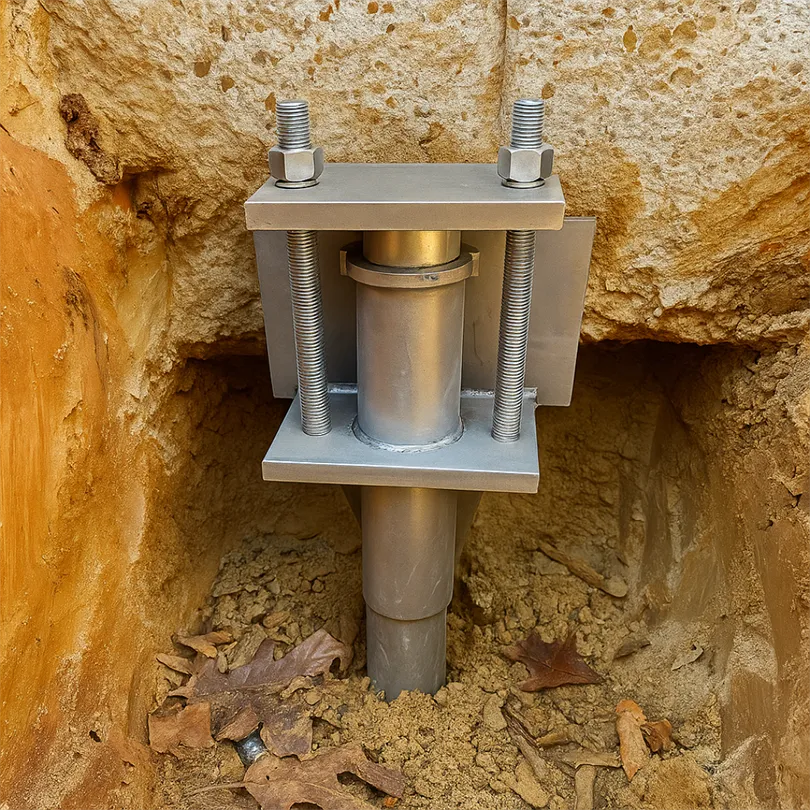
Bottom line: pier and beam foundations remain a practical choice in many regions because they adapt well to different soil conditions, offer extra protection against water, and make home maintenance more manageable.
Easier Access for Plumbing and Electrical
Because pier and beam homes sit on a crawl space foundation, homeowners and contractors can easily reach pipes, wiring, and ductwork for maintenance or upgrades.
Flexibility on Shifting Soils
Unlike slabs, pier and beam foundations can adjust slightly when soils expand or contract. This flexibility helps minimize major cracking and damage in regions with unstable or clay-heavy soil.
Improved Airflow and Ventilation
The crawl space beneath the home allows air to circulate, which can help reduce moisture buildup compared to a slab sitting directly on the ground.
Elevated Protection Against Flooding
By raising the home above the soil, pier and beam foundations offer a natural buffer against minor flooding or groundwater problems.
In short: the combination of accessibility, flexibility, and elevation makes pier and beam foundations a solid choice for many homeowners and builders.
Sagging or Uneven Floors
Over time, wood beams and joists may weaken, causing floors to sag or bounce. Shifting soil beneath the piers can also lead to uneven support across the home.
Moisture in the Crawl Space
Because these foundations include a crawl space, they’re vulnerable to moisture problems. Without proper sealing or drainage, humidity can build up, leading to condensation and damage.
Wood Rot and Structural Damage
Persistent moisture in the crawl space can cause wooden beams or joists to rot, compromising the strength of the entire foundation system.
Pest Infestations
The crawl space environment can attract termites, rodents, and insects. Once inside, these pests may cause damage to wood and insulation.
Takeaway: while pier and beam foundations are durable, regular inspections and preventive care are essential to keep them strong and stable.
Repair Options for Pier and Beam Foundations
If your home shows signs of foundation trouble, there are proven ways to restore stability and protect your investment. Professional pier and beam foundation repair addresses both structural issues and moisture problems.
Controlling Moisture in the Crawl Space
Installing a vapor barrier, drainage system, or crawl space encapsulation helps keep moisture out, preventing future rot and mold growth.
Professional Foundation Repair Services
In more severe cases, foundation repair specialists may install additional piers or reinforce existing supports to stabilize the entire home.
Bottom line: timely repairs not only fix immediate problems but also extend the life of your pier and beam foundation.
Is a Pier and Beam Foundation Right for Your Home?
For many homeowners, pier and beam foundations strike the right balance of durability, flexibility, and accessibility. They offer easier maintenance, better ventilation, and protection against shifting soils, but like any foundation, they need care and attention over time.
If you’re noticing sagging floors, moisture in your crawl space, or other signs of foundation stress, it’s important to act quickly. The sooner you address the problem, the easier and more affordable the repair will be.
At DFX Foundation & Waterproofing Experts, we specialize in pier and beam foundation repair and crawl space solutions designed to protect your home for decades. Our team uses proven methods, high-quality materials, and expert installation to restore strength and stability from the ground up.
Don’t wait until small issues become major repairs. Contact DFX today to schedule your foundation inspection and learn how we can help keep your home safe and secure.