
Water may seem harmless, but it’s one of the most destructive forces when it comes to your home’s foundation. Poor drainage around your property can cause the soil beneath your foundation to shift, expand, or erode, leading to cracks, uneven floors, and long-term structural damage.
Many homeowners don’t realize that drainage issues and foundation damage are closely connected. When rainwater or groundwater isn’t directed away from your home, it collects near the base, creating hydrostatic pressure that pushes against the foundation walls and footings. Over time, this pressure weakens the structure and allows water to seep inside.
In this guide, we’ll explain how poor drainage causes foundation water damage, what signs to look for, and how professional foundation repair and drainage solutions can protect your home from costly problems.
How Poor Drainage Leads to Foundation Damage
Your foundation depends on stable, compacted soil for support. When that soil becomes oversaturated with water or begins to erode, your foundation can lose the balance and strength it needs. Poor drainage allows excess water to collect around your home, increasing pressure against the foundation walls and causing the soil to expand, shift, or wash away.
Over time, this leads to cracks, sinking, or uneven settling, some of the most common forms of foundation damage. The key to prevention is understanding where drainage issues start and how they silently weaken your home’s structure.

Common Drainage Problems Around Homes
Water damage often begins with simple issues that go unnoticed. Here are some of the most common drainage problems that contribute to foundation stress:
- Clogged or damaged gutters: Overflowing gutters allow rainwater to pour directly next to your foundation.
- Downspouts too short: Without extensions, downspouts discharge water right at the base of your home.
- Improper grading: If the soil slopes toward your home instead of away, it channels water straight to the foundation.
- Poorly installed or failing French drains: Ineffective or clogged systems can trap water instead of redirecting it.
- Landscape features that trap water: Retaining walls, garden beds, or patios that block runoff can cause pooling near the house.
Even minor drainage problems can escalate into serious foundation repair issues when left unaddressed.
The Hidden Effects of Water on Foundations
When drainage fails, water doesn’t just sit on the surface. It seeps into the soil and affects your foundation in multiple ways:
- Hydrostatic pressure: Water pressure builds up against foundation walls, leading to cracks and leaks.
- Soil expansion and contraction: Clay soils swell when wet and shrink when dry, creating movement beneath your home.
- Erosion and washout: Running water removes supporting soil from around or under the foundation.
- Foundation settling: Uneven soil movement can cause parts of the foundation to sink or tilt.
- Basement and crawl space leaks: Moisture intrusion leads to mold, mildew, and humidity problems inside the home.
These hidden forces are why drainage issues and foundation damage are so tightly linked and why controlling water flow is one of the most effective ways to preserve your home’s stability.
Signs of Drainage-Related Foundation Problems
Drainage issues don’t always show up as standing water. Sometimes, the warning signs appear slowly and subtly. When water isn’t properly diverted away from your home, it begins affecting the foundation from the outside in. Recognizing these red flags early can help you avoid major foundation repair costs later on.

Exterior Warning Signs
The first signs of poor drainage often appear around the outside of your home. Look for:
- Pooling water or soggy soil after rainfall.
- Erosion near your foundation or landscaping beds.
- Cracks in exterior walls or brick mortar, especially near corners.
- Efflorescence or staining on foundation walls, showing trapped moisture.
- Downspouts draining too close to the house.
- Settling patios, sidewalks, or driveways indicating soil movement.
These exterior symptoms suggest that water isn’t draining properly, which can eventually undermine your foundation’s stability.
Interior Warning Signs
When drainage problems persist, the damage begins to move inside your home. Common interior signs of foundation water damage include:
- Wall or floor cracks, especially those that widen over time.
- Doors and windows that stick or won’t latch properly.
- Uneven or sloping floors, particularly on lower levels.
- Musty odors or visible mold growth in basements or crawl spaces.
- Water stains or damp patches on floors and walls.
These signs mean that water is already impacting the structure and humidity inside your home, not just the soil around it.
Seasonal Patterns
If you notice changes in foundation movement or humidity that come and go with the weather, it’s likely tied to drainage issues. Watch for:
- Foundation cracks appear after heavy rain or snowmelt.
- Dry, shrinking soil during droughts, followed by cracks or settling once the ground becomes wet again.
- Recurring musty smells in spring or summer when humidity spikes.
These seasonal fluctuations show how soil moisture imbalance affects your foundation year-round.
By catching these early warning signs, you can take steps to fix drainage and foundation problems before they cause severe structural damage.
How to Prevent Foundation Damage from Drainage Issues
Preventing foundation problems starts with keeping water under control. By managing how rainwater and groundwater move around your home, you can stop excess moisture from weakening your foundation or eroding supporting soil. The goal is to keep water flowing away from your home — not toward it.
Here are the most effective ways to prevent drainage issues and foundation damage before they start.
Improve Surface Drainage
Good surface drainage ensures rainwater flows away from your foundation instead of pooling near it. Simple maintenance steps can make a big difference:
- Regrade the soil around your home so it slopes away at least six inches over the first 10 feet.
- Clean gutters and downspouts regularly to prevent overflow.
- Add downspout extensions to discharge water several feet away from the foundation.
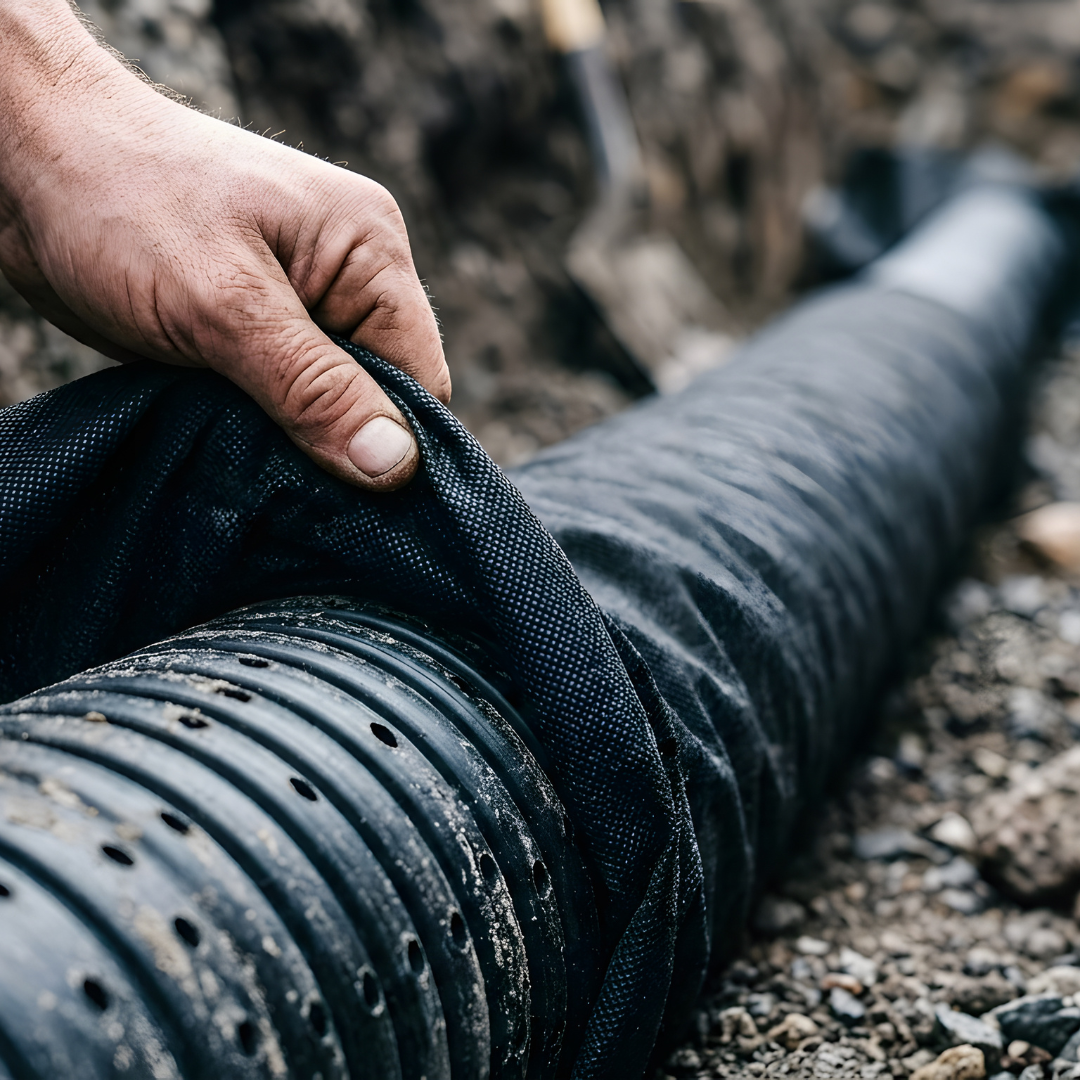
- Install French drains or catch basins to direct surface water downhill.
- Avoid landscaping barriers (like raised beds) that trap water near your home.
Consistent surface drainage maintenance helps reduce foundation water damage and soil pressure around your home.
Control Groundwater Around the Foundation
Surface fixes aren’t always enough. Groundwater can still build up beneath your home. Professional drainage systems help control this hidden moisture:
- Sump pumps collect and remove groundwater from basements or crawl spaces.
- Perimeter drainage systems redirect subsurface water before it reaches the foundation walls.
- Crawl space waterproofing keeps low areas dry and prevents humidity from spreading upward.
- Foundation drainage systems relieve hydrostatic pressure to prevent cracks and leaks.
By keeping groundwater levels stable, you prevent the soil from expanding or contracting under your foundation.
Maintain Proper Moisture Balance
Foundations are sensitive to extreme changes in soil moisture. Consistent conditions help prevent movement or settling:
- Avoid overwatering landscaping or lawns near your home.
- Install drip irrigation systems to keep moisture even without flooding the soil.
- Use mulch or ground cover to retain consistent soil moisture during dry spells.
- Monitor for drainage changes after heavy rain, drought, or home additions.
Balanced soil moisture keeps your foundation stable, protecting your investment in both drainage and foundation repair solutions.
Foundation Repair Solutions for Water Damage
Once drainage issues have caused foundation damage, simply redirecting water isn’t enough. Structural repair is often required to restore stability. Professional foundation repair solutions not only correct existing problems but also help prevent future movement and moisture intrusion.
Here are the most effective repair methods used to stabilize and protect your foundation after water damage.

Pier Systems and Underpinning
When the soil beneath your foundation becomes weak or erodes, pier systems provide the support it needs.
- Helical piers are screwed deep into stable soil to lift and support settling foundations.
- Push piers are hydraulically driven into load-bearing strata to restore elevation and prevent further movement.
These systems permanently stabilize the foundation and counteract the effects of soil erosion or poor drainage.
Wall Stabilization and Crack Repair
If hydrostatic pressure or soil shifting has caused walls to crack or bow inward, several repair options can help restore strength:
- Carbon fiber reinforcement to strengthen cracked or bowing foundation walls.
- Wall anchors that counteract outward pressure from saturated soil.
- Epoxy or polyurethane injections to seal cracks and prevent future water intrusion.
Addressing cracks early not only restores structural integrity but also prevents water from entering through weakened areas.
Crawl Space and Basement Waterproofing
For homes with recurring moisture issues, waterproofing the crawl space or basement adds long-term protection.
- Encapsulation systems seal the space with a vapor barrier and prevent moisture migration.
- Drainage channels and sump pumps keep water from pooling under or around the foundation.
- Dehumidifiers help maintain ideal humidity levels and prevent mold or wood rot.
This integrated approach ensures your foundation repair remains effective by keeping the area dry and stable.
Before and After Foundation & Drainage Repair
| Condition | Before Drainage & Foundation Repair | After Professional Solutions |
| Foundation Stability | Cracked, shifting, uneven | Reinforced and level |
| Basement or Crawl Space | Damp, musty, water intrusion | Dry, sealed, protected |
| Home Value | Decreased due to damage | Restored with long-term stability |
| Safety & Air Quality | Mold growth, poor ventilation | Healthy, safe, breathable air |
Combining drainage improvements with foundation repair provides lasting protection. Fixing the structure without solving water problems (or vice versa) only offers a temporary fix — a comprehensive solution ensures both stability and dryness for years to come.
Why Professional Evaluation Matters
Foundation and drainage problems can look simple on the surface, but the causes often run much deeper. What appears to be a minor crack or small puddle could signal serious foundation damage caused by years of poor drainage or shifting soil.
A professional evaluation goes beyond what you can see. Foundation experts use tools to measure soil movement, identify sources of water intrusion, and assess how moisture is affecting your home’s structure. They can determine whether your problem requires drainage repair, foundation stabilization, or both.
DIY fixes like patching cracks or regrading a small section of yard might seem like a quick solution, but they rarely address the full problem. Without correcting the root cause, water will continue to find its way back, often leading to more costly foundation repairs later on.
By scheduling a professional inspection, you’ll get a clear picture of what’s happening beneath your home and a customized plan for lasting protection.

Get Expert Drainage and Foundation Repair Help from DFX
If you’ve noticed pooling water, wall cracks, or uneven floors, it’s time to have your home evaluated by a professional. The experts at DFX Foundation & Waterproofing Experts specialize in identifying and solving drainage issues and foundation damage before they lead to more serious structural problems.
Our team offers complete solutions, from foundation repair and drainage installation to waterproofing systems and crawl space encapsulation. Each service is designed to work together, eliminating water intrusion while reinforcing the strength and stability of your foundation.
Don’t wait until water damage spreads or cracks get worse. Schedule a free inspection today and let DFX protect your home from the ground up with proven drainage and foundation repair solutions.