

Most homeowners assume foundation problems start with cracked concrete. In reality, many foundation issues begin in the soil beneath the home.
Your foundation relies on stable, supportive soil to keep your house level and secure. When that soil shifts, expands, contracts, or erodes, the foundation moves with it. Over time, this movement can lead to cracks, uneven floors, sticking doors, and structural damage.
Understanding how soil affects house foundations helps homeowners recognize early warning signs and prevent long-term problems. In this guide, we’ll explain how different soil types impact foundation stability, why moisture plays a major role, and what you can do to protect your home.
Why Soil Matters More Than Concrete
Concrete is strong, but it is only as stable as the soil beneath it. Your foundation acts as a bridge between your home and the ground. If the ground shifts, the structure above it responds.
Every home depends on soil that can properly support weight. This is called load-bearing capacity. When soil is compact and stable, it holds the foundation evenly. When it is loose, overly wet, or prone to expansion, it can no longer provide consistent support.
Stable soil should:
- Support weight evenly
- Drain water properly
- Maintain consistent moisture levels
- Resist major expansion and contraction
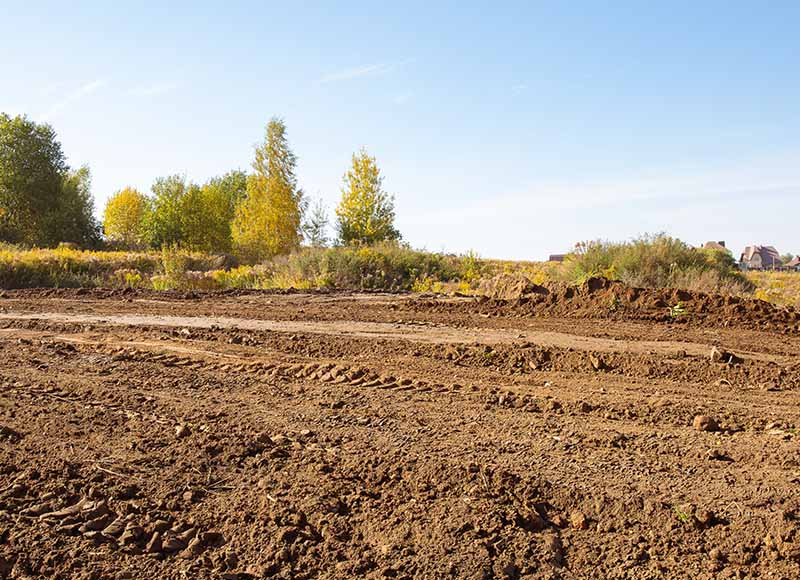
When soil fails to do these things, foundation problems begin. Cracks and settlement are often symptoms of soil movement, not concrete failure.
Understanding soil and foundation problems helps homeowners focus on the root cause instead of just the visible damage.
Types of Soil and Their Impact on Foundations
Not all soil behaves the same way. The type of soil beneath your home plays a major role in foundation stability. Some soils expand when wet. Others drain too quickly or shift under pressure.
Understanding the types of soil and foundation stability can help explain why certain homes experience more structural issues than others.

Expansive Clay Soil
Clay soil is one of the most common causes of foundation damage. It absorbs water easily, which causes it to expand. When it dries out, it shrinks.
This constant shrink-swell cycle creates movement beneath the foundation. Over time, expansive soil foundation damage can result in:
- Foundation cracks
- Uneven floors
- Slab foundation movement
- Foundation shifting
Homes built on clay-heavy soil often experience more noticeable movement during seasonal moisture changes.

Sandy Soil
Sandy soil drains water quickly, which can be beneficial in preventing water buildup. However, it does not always hold its shape well under pressure.
If sandy soil washes away due to erosion or heavy rain, it can create gaps beneath the foundation. This may lead to settlement or sinking areas around the home.

Silt Soil
Silt falls between clay and sand in texture. It retains moisture more than sand but does not expand as dramatically as clay.
However, silt soil can lose strength when saturated. Prolonged moisture exposure may lead to soil movement under the foundation and gradual settlement.

Organic Soil
Organic soil contains decomposing plant material. While it may appear stable at first, it breaks down over time.
As organic matter decomposes, it can create voids beneath the foundation. This type of soil often lacks the strength needed to properly support a structure.
Soil Type Comparison
| Soil Type | Common Risk |
| Clay | Expansion and cracking |
| Sand | Erosion and washout |
| Silt | Settlement when saturated |
| Organic | Instability over time |
The type of soil under your home directly influences how much movement your foundation may experience.
How Soil Movement Causes Foundation Problems
Soil does not have to shift dramatically to cause damage. Even small changes beneath your home can create stress on the foundation over time.
When soil expands, shrinks, or settles unevenly, the foundation loses consistent support. This is often called differential settlement. One part of the foundation may sink while another remains stable, creating tension throughout the structure.
Common soil movement issues include:
- Soil expansion from excess moisture
- Soil shrinkage during dry periods
- Erosion washing soil away from footings
- Poor soil compaction during construction
As the soil shifts, the foundation responds. That movement can lead to:
- Foundation cracks from soil pressure
- Slab foundation movement
- Uneven or sloping floors
- Gaps around windows and doors
- Bowing or leaning walls

Many homeowners focus on the crack itself. In reality, soil movement under the foundation is often the root cause.
Addressing soil and foundation problems early helps prevent minor movement from becoming major structural damage.
The Role of Moisture in Soil-Related Foundation Damage
Moisture is one of the biggest factors influencing how soil affects house foundations. Soil is constantly responding to water levels. When moisture becomes unbalanced, foundation problems often follow.
Both too much and too little water can create instability beneath your home.

When Soil Has Too Much Moisture
Excess water causes certain soils, especially clay, to expand. As the soil swells, it pushes against the foundation and increases pressure on walls and slabs.
Over time, this can lead to:
- Foundation cracks
- Wall bowing
- Slab heaving
- Crawl space moisture problems
Poor drainage and heavy rainfall often contribute to oversaturated soil conditions.

When Soil Becomes Too Dry
Dry conditions can be just as damaging. As soil loses moisture, it shrinks. This shrinkage can create gaps beneath the foundation, reducing support.
When support becomes uneven, settlement may occur. This is why foundation shifting often becomes more noticeable during extended dry periods.
How Moisture Changes Affect Soil Stability
| Soil Condition | Effect on Foundation |
| Oversaturated soil | Expansion and pressure |
| Dry soil | Shrinkage and settlement |
| Poor drainage | Uneven support |
| Rapid moisture swings | Repeated movement cycles |
Maintaining consistent soil moisture levels through proper drainage and grading is one of the most effective ways to reduce soil movement under a foundation.
Signs Your Foundation Problems Are Soil-Related
Foundation issues can look alarming, but many of them point back to soil movement as the underlying cause. Recognizing these signs early can help prevent more serious structural damage.
Watch for these common indicators of soil and foundation problems:
- Cracks in drywall, especially above doors and windows
- Stair-step cracks in brick or exterior masonry
- Uneven or sloping floors
- Doors and windows that stick or won’t close properly
- Gaps between walls and ceilings
- Foundation cracks that widen over time
- Soil pulling away from the foundation during dry weather
- Water pooling near the base of the home

These symptoms often appear gradually. Homeowners may notice small changes at first, then more visible shifting over time.
If multiple signs appear together, soil movement under the foundation may be causing differential settlement or pressure buildup. Addressing the soil conditions early can prevent ongoing foundation shifting.

Can Soil Problems Be Fixed?
Yes, soil-related foundation problems can often be corrected. The solution depends on what is causing the movement and how much damage has already occurred.
In many cases, the goal is not to change the soil itself, but to stabilize the foundation so it is no longer affected by shifting ground.
Improving Drainage and Moisture Control
If excess moisture is the primary issue, improving drainage around the home can significantly reduce soil movement.
This may include:
- Adjusting grading so water flows away from the house
- Extending downspouts
- Installing drainage systems
- Managing irrigation near the foundation
Keeping soil moisture more consistent helps reduce expansion and shrinkage cycles.
Soil Stabilization
In some cases, professionals can improve soil strength beneath or around a home. This may involve compacting loose soil or reinforcing weak areas to increase load-bearing capacity.
Stabilizing the soil reduces uneven support and helps prevent future settlement.
Foundation Reinforcement
If soil movement has already caused structural shifting, reinforcing the foundation may be necessary.
Solutions such as piers or underpinning systems transfer the weight of the home to deeper, more stable soil layers. This helps stop ongoing settlement and restore structural stability.
The key is identifying whether the issue is active soil movement or damage that has already occurred. A professional evaluation can determine the right approach.
Protecting Your Foundation from Soil Damage
While you cannot change the type of soil beneath your home, you can take steps to reduce its impact on your foundation.
The goal is to maintain consistent support and balanced moisture levels around the structure.
Homeowners can protect their foundation by:
- Ensuring proper drainage away from the home
- Keeping gutters and downspouts clear
- Avoiding overwatering landscaping near the foundation
- Maintaining consistent soil moisture during extreme dry periods
- Monitoring for early signs of cracks or settlement

Regular inspections also help identify small issues before they become major structural problems.
Understanding how soil affects house foundations gives you the advantage of prevention. When soil movement is addressed early, it reduces the risk of foundation cracks, shifting, and long-term damage.
If you notice signs of soil-related foundation problems, a professional evaluation can help determine whether drainage improvements, soil stabilization, or structural reinforcement is needed.
Taking action early is one of the most effective ways to protect your home’s stability for years to come.
Frequently Asked Questions About Soil and Foundations
What type of soil is worst for house foundations?
Expansive clay soil is often the most problematic. It absorbs water and expands, then shrinks when dry. This repeated movement can cause foundation cracks, shifting, and uneven support over time.
Can soil movement really cause foundation cracks?
Yes. Soil expansion, shrinkage, or erosion can place uneven pressure on a foundation. When support becomes inconsistent, the concrete may crack as the structure adjusts to the movement below.
Does adding more soil around a house fix foundation problems?
Not necessarily. Simply adding soil may improve surface grading, but it does not correct underlying soil instability or structural damage. Proper drainage and foundation evaluation are often needed to address the root cause.
How do professionals determine if soil is causing foundation issues?
Professionals look at visible structural symptoms, drainage conditions, soil type, and patterns of movement. In some cases, soil testing or elevation measurements help confirm whether soil settlement or expansion is the primary cause.
Can foundation problems caused by soil get worse over time?
Yes. Soil movement is often ongoing, especially in areas with moisture fluctuations. If left unaddressed, small cracks or minor settlement can progress into larger structural problems.