
TL;DR: Quick Crawl Space Maintenance Tips
- Control moisture to prevent mold, odors, and structural damage
- Remove debris regularly to improve air quality and reduce pests
- Install or maintain a vapor barrier for long-term moisture control
- Check for standing water and ensure proper drainage around your home
- Inspect insulation, vents, and airflow to maintain energy efficiency
- Test your sump pump (if you have one) to avoid flooding issues
- Schedule routine crawl space inspections to catch problems early
Why Crawl Space Maintenance Matters for Your Home
Your crawl space might be out of sight, but it should never be out of mind.
This area beneath your home plays a major role in protecting your foundation, controlling moisture, and even impacting the air you breathe inside your home. Without proper crawl space maintenance, small issues like humidity or debris can quickly turn into bigger problems like mold growth, musty odors, pest infestations, and structural damage.
The good news is that with the right approach, most crawl space problems are preventable.
In this guide, we’ll walk through important crawl space maintenance tips every homeowner should know. From controlling moisture and improving drainage to removing debris and scheduling inspections, these simple steps can help you maintain a cleaner, healthier, and more stable home.
What Maintenance Does a Crawl Space Need?
Crawl space maintenance isn’t just one task. It’s a combination of routine inspections, moisture control, and preventative care that keeps your home protected year-round.
If you stay ahead of these key areas, you can avoid most major crawl space problems before they start.
Routine Crawl Space Inspections
Regular inspections are the foundation of good crawl space maintenance.
You should check your crawl space at least a few times a year for signs of:
- Standing water or excess moisture
- Mold growth or musty odors
- Pest activity or nesting
- Damaged insulation or structural concerns
Catching these issues early can save you from costly repairs later.
Moisture and Humidity Control
Moisture is the #1 enemy of any crawl space.
High humidity levels can lead to mold, wood rot, and poor indoor air quality. Keeping moisture under control is critical for long-term protection.
This often includes:
- Installing or maintaining a vapor barrier
- Using a dehumidifier if needed
- Addressing any water intrusion or leaks
Removing Debris and Contaminants
Over time, crawl spaces can collect debris, dirt, and even organic materials that contribute to odors and air quality issues.
Keeping the area clean helps:
- Reduce musty smells
- Prevent mold growth
- Eliminate hiding spots for pests

Checking Insulation and Vapor Barriers
Proper insulation and vapor barriers play a major role in energy efficiency and moisture control.
During maintenance, you should:
- Inspect insulation for damage or sagging
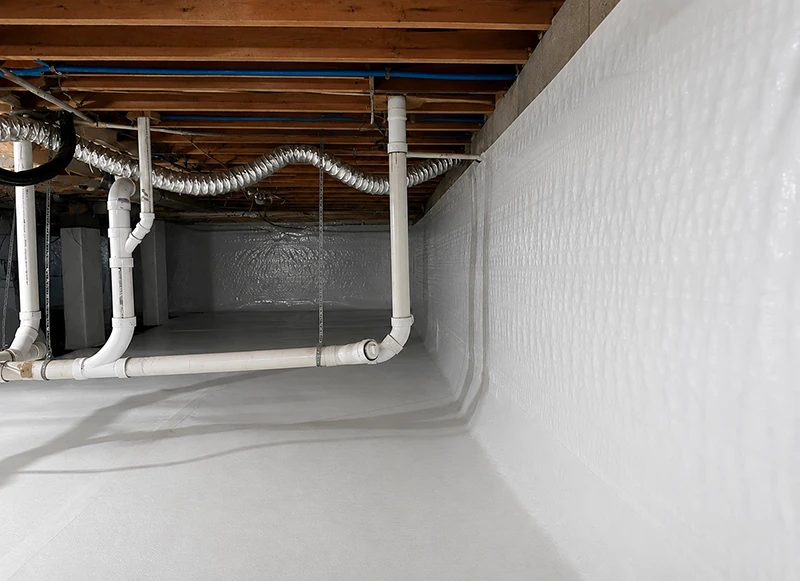
- Ensure vapor barriers are intact and properly sealed
- Look for gaps where moisture could enter
Monitoring for Pests and Damage
Crawl spaces are a common entry point for pests like rodents and insects.
Routine checks should include:
- Signs of droppings or nesting
- Entry points around vents or openings
- Damage to wood, wiring, or insulation
Staying consistent with these basic crawl space maintenance tasks helps protect your foundation, improve air quality, and extend the life of your home.
10 Important Crawl Space Maintenance Tips
Staying proactive with crawl space maintenance can prevent expensive repairs and protect your home from moisture, mold, and structural damage.
Use these important crawl space maintenance tips to keep your crawl space clean, dry, and functioning properly.
1. Control Moisture and Prevent Standing Water
Moisture is the biggest threat to any crawl space.
Standing water can quickly lead to mold growth, wood rot, and foundation issues. Make sure water is directed away from your home and address any signs of intrusion immediately.


2. Install or Maintain a Vapor Barrier
A vapor barrier helps block moisture from entering your crawl space through the ground.
If your crawl space already has one, check for:
- Tears or gaps
- Loose seams
- Areas where moisture is getting through
If it’s missing or damaged, it’s one of the most important upgrades you can make.
3. Keep Your Crawl Space Clean and Remove Debris
Debris in your crawl space can trap moisture and attract pests.
Regularly removing debris helps:
- Improve air quality
- Reduce musty odors
- Prevent mold and contamination


4. Inspect for Mold and Musty Odors
Musty smells are often the first sign of a moisture problem.
Look for:
- Visible mold growth
- Damp materials
- Lingering odors
If you notice any of these, it’s important to address the root cause, not just the symptoms.
5. Maintain Proper Drainage Around Your Home
Poor drainage is a leading cause of crawl space moisture issues.
Make sure:
- Gutters and downspouts direct water away from the foundation
- The ground slopes away from your home
- Drainage systems are working properly


6. Seal Air Leaks and Improve Insulation
Air leaks allow humid air to enter your crawl space, increasing moisture levels.
Check for:
- Gaps around vents and openings
- Damaged crawl space insulation
- Areas where outside air is getting in
Proper sealing improves both moisture control and energy efficiency.
7. Check Vents and Airflow (Don’t Overdo It)
Many homeowners assume more vents equal better airflow — but that’s not always true.
Too many vents can actually allow humid air inside, especially in warmer climates. Make sure your ventilation strategy supports moisture control, not the opposite.
8. Inspect for Pests and Nesting
Crawl spaces are a common hiding spot for pests like rodents and insects.
Watch for:
- Droppings or nesting materials
- Chewed insulation or wiring
- Entry points around the foundation
9. Test Your Sump Pump System
If your crawl space has a sump pump, it’s critical to keep it working properly.
Test it regularly to make sure it:
- Activates correctly
- Drains water efficiently
- Has no clogs or mechanical issues

10. Schedule Professional Crawl Space Inspections
Even if everything looks fine, professional inspections can catch hidden issues early.
A crawl space expert can identify:
- Moisture problems you might miss
- Early signs of structural damage
- Areas that need repair or upgrades
Following these crawl space maintenance tips helps you stay ahead of problems and protect your home from long-term damage.
Crawl Space Maintenance Checklist (Quick Reference)
Keeping up with crawl space maintenance is much easier when you have a simple checklist to follow. Use this quick reference to stay on track and prevent common crawl space problems.

| Task | Frequency | Why It Matters | DIY or Pro |
| Inspect for moisture & standing water | Quarterly | Prevent mold & damage | DIY |
| Remove debris & clean space | Seasonal | Improve air quality | DIY |
| Check vapor barrier condition | Annually | Control moisture | Pro |
| Test sump pump & drainage | 2x per year | Prevent flooding | Pro |
How to Use This Crawl Space Maintenance Checklist
You don’t need to handle everything at once. The key is consistency.
- Monthly/Seasonal tasks like removing debris and visual checks help catch early warning signs
- Annual inspections ensure your crawl space systems are working properly
- Professional evaluations help identify hidden issues and long-term risks
Even a simple routine can go a long way in protecting your crawl space from moisture, mold, and structural damage.
Using a crawl space maintenance checklist like this helps you stay organized, reduce repair costs, and extend the life of your home.
Common Crawl Space Problems Caused by Poor Maintenance
When crawl space maintenance is ignored, small issues can quickly turn into serious and expensive problems. Most crawl space damage starts with moisture, poor drainage, or lack of routine inspections.
Here are the most common issues homeowners face when maintenance is overlooked:

Mold Growth and Musty Odors
Excess moisture creates the perfect environment for mold to grow.
Over time, this leads to:
- Musty crawl space odors
- Poor indoor air quality inside your home
- Potential health concerns for your family
If your home smells damp or earthy, your crawl space is often the source.
Standing Water and Drainage Issues
Without proper drainage, water can collect in your crawl space after heavy rain or plumbing leaks.
Standing water can cause:
- Wood rot and structural damage
- Increased humidity levels
- Ideal conditions for mold and pests
This is one of the most damaging crawl space problems if not addressed quickly.
High Humidity and Poor Air Quality
Crawl spaces with uncontrolled humidity can impact the entire home.
Warm, moist air rises into your living space, leading to:
- Increased indoor humidity
- Allergy or respiratory irritation
- Reduced HVAC efficiency
Controlling crawl space moisture directly improves your home’s air quality.
Structural Damage and Sagging Floors
Over time, excess moisture weakens wooden beams and supports.
This can result in:
- Sagging or uneven floors
- Cracks in walls or ceilings
- Long-term foundation issues
Structural repairs are far more expensive than preventative maintenance.
Pest Infestations
A neglected crawl space becomes an easy target for pests.
Rodents and insects are attracted to:
- Damp environments
- Organic debris
- Easy access points
Once inside, pests can damage insulation, wiring, and wood structures.
Most of these crawl space problems are preventable with consistent maintenance and early intervention.
DIY Crawl Space Maintenance vs. Professional Help
Not all crawl space maintenance requires a professional, but knowing where to draw the line can save you time, money, and potential risk.
Some tasks are simple enough for homeowners to handle, while others require specialized equipment and expertise.
What You Can Handle Yourself
Basic crawl space maintenance tasks can help you stay ahead of problems between professional inspections.
Homeowners can typically:
- Perform visual inspections for moisture, debris, or pests
- Remove debris and keep the area clean
- Check for musty odors or signs of mold
- Monitor for standing water after heavy rain
- Test sump pump operation (if accessible)
These routine checks help catch early warning signs before they turn into bigger issues.
When to Call a Crawl Space Professional
Some crawl space problems go beyond what a DIY approach can safely or effectively handle.
It’s best to contact a professional if you notice:
- Persistent moisture or high humidity levels
- Visible mold growth or strong odors
- Standing water that doesn’t drain properly
- Sagging floors or structural concerns
- Damaged insulation or vapor barriers
- Ongoing pest infestations
Professionals have the tools and experience to diagnose root causes and provide long-term solutions, not just temporary fixes.
Why Professional Crawl Space Maintenance Matters
Even if you stay on top of basic maintenance, a professional inspection adds another layer of protection.
An expert can:
- Identify hidden moisture problems
- Evaluate your drainage and ventilation system
- Recommend solutions like vapor barriers or encapsulation
- Prevent minor issues from becoming major repairs
A combination of regular DIY crawl space maintenance and periodic professional inspections is the best way to protect your home long-term.
How Much Does Crawl Space Maintenance Cost?
The cost of crawl space maintenance can vary depending on the condition of your crawl space, the size of your home, and whether repairs are needed.
For basic maintenance, costs are typically manageable. But if moisture issues or damage have been left untreated, expenses can increase quickly.

Average Crawl Space Maintenance Costs
Here’s a general breakdown of what homeowners can expect:
| Service | Typical Cost | What It Covers |
| Basic inspection | $100–$300 | Visual check for moisture, damage |
| Cleaning & debris removal | $500–$1,500 | Clearing contaminants, improving air quality |
| Vapor barrier repair/replacement | $1,500–$5,000 | Moisture control system |
| Dehumidifier or sump pump service | $500–$2,500+ | Water & humidity management |
What Affects the Cost?
Several factors can influence how much you’ll pay for crawl space maintenance:
- Size of the crawl space
- Level of moisture or water damage
- Condition of insulation and vapor barriers
- Need for drainage improvements or sump pump systems
- Accessibility of the crawl space
Maintenance vs. Repair Costs
One of the biggest benefits of regular crawl space maintenance is avoiding costly repairs.
- Routine maintenance helps catch issues early and keeps costs predictable
- Neglected crawl spaces often require major repairs like mold remediation, structural fixes, or full encapsulation
Investing in routine crawl space maintenance is almost always more affordable than dealing with long-term damage.
How Long Can Water Sit in a Crawl Space?
Water should never sit in a crawl space for long. Even a small amount of standing water can start causing problems within 24 to 48 hours.
What Happens If Water Sits Too Long?
When water is left in your crawl space, damage can happen faster than most homeowners expect:
- Within 1–2 days: Mold and mildew can begin to grow
- Within a few days: Musty odors develop and humidity levels rise
- Within weeks: Wood rot and structural damage can begin
- Long-term: Increased risk of pests, foundation issues, and poor indoor air quality
Why Immediate Action Matters
Standing water doesn’t just stay contained in your crawl space. It affects your entire home.
Moisture can:
- Spread into insulation and wooden supports
- Increase humidity levels inside your home
- Create ongoing air quality issues
That’s why it’s critical to identify the source of the water and remove it as quickly as possible.
Common Causes of Crawl Space Water
Understanding the cause helps prevent future issues:
- Poor drainage around the foundation
- Clogged or broken gutters and downspouts
- Plumbing leaks
- High groundwater levels
- Lack of a vapor barrier or sump pump system
If you notice standing water in your crawl space, it’s best to address it immediately before it leads to mold, odors, or structural damage.
Crawl Space Cleaning Tips (Do’s and Don’ts)
Keeping your crawl space clean is a key part of overall crawl space maintenance. A clean crawl space helps reduce moisture issues, improve air quality, and prevent pests from settling in.
Here are some simple do’s and don’ts to follow:
Do: Remove Debris and Organic Materials
Debris like wood scraps, insulation, and dirt can trap moisture and create the perfect environment for mold and pests.
Make it a habit to:
- Clear out any loose materials
- Remove old or damaged insulation
- Keep the area as clean and open as possible
Do: Improve Drainage Around Your Home
Cleaning alone won’t fix moisture problems if water is still getting in.
Make sure to:
- Keep gutters and downspouts clear
- Direct water away from your foundation
- Address any pooling water near your home
Do: Monitor Moisture and Humidity Levels
Even a clean crawl space can develop problems if humidity is too high.
Keep an eye out for:
- Damp surfaces
- Condensation on pipes or walls
- Musty odors
If needed, consider adding a dehumidifier or upgrading moisture control systems.
Don’t: Rely on Ventilation Alone
Many homeowners think adding more crawl space vents will solve moisture issues.
In reality, vents can bring in humid air, especially in warmer climates, which can make the problem worse.
Don’t: Ignore Mold or Odors
If you notice mold or a musty smell, cleaning the surface isn’t enough.
These are signs of a deeper moisture issue that needs to be addressed at the source.
Don’t: Use the Wrong Materials
Not all materials are suitable for crawl spaces.
Avoid:
- Improper insulation that absorbs moisture
- Thin or damaged vapor barriers
- Temporary fixes that don’t address long-term problems
Following these crawl space cleaning tips helps maintain a healthier environment and supports long-term moisture control.
When to Consider Crawl Space Encapsulation
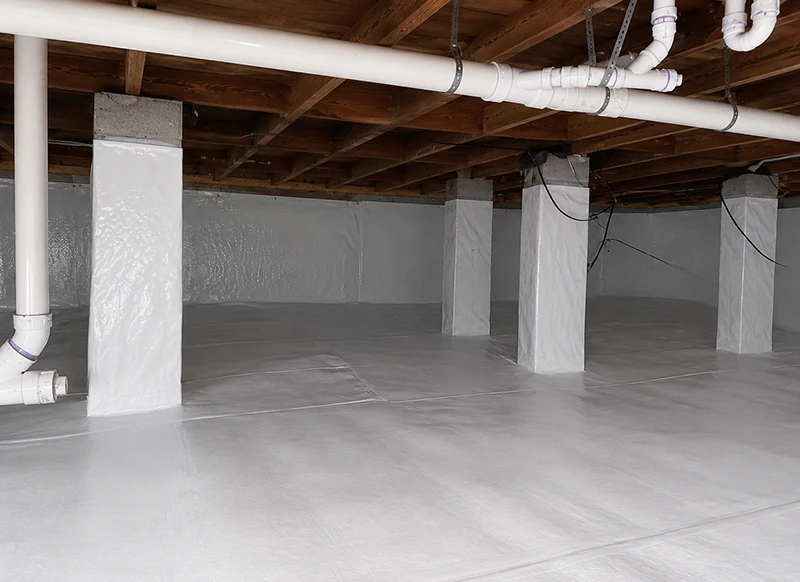
While regular crawl space maintenance can prevent many issues, some problems require a more permanent solution. That’s where crawl space encapsulation comes in.
Encapsulation is designed to fully seal your crawl space, helping control moisture, improve air quality, and protect your home long-term.
Signs You May Need Crawl Space Encapsulation
If you’re noticing recurring issues, basic maintenance may not be enough.
Look for warning signs like:
- Persistent moisture or high humidity levels
- Standing water or frequent dampness
- Musty odors that keep coming back
- Mold growth or visible mildew
- Sagging floors or structural concerns
- Ongoing pest problems
If these problems continue despite your efforts, it’s a strong indication that a more comprehensive solution is needed.
Benefits of Crawl Space Encapsulation
Encapsulation goes beyond basic maintenance by creating a controlled environment beneath your home.
Key benefits include:
- Long-term moisture control to prevent mold and water damage
- Improved indoor air quality by reducing humidity and contaminants
- Energy efficiency gains from better insulation and air sealing
- Protection for your foundation and structural components
- Reduced risk of pests and odors
Encapsulation vs. Basic Maintenance
Think of crawl space maintenance as ongoing care, while encapsulation is a long-term upgrade.
- Maintenance helps manage and prevent minor issues
- Encapsulation solves the root cause of recurring moisture problems
For many homeowners dealing with ongoing moisture or air quality concerns, encapsulation provides a more reliable, long-term solution.
If your crawl space continues to have moisture, mold, or odor issues, encapsulation may be the best way to fully protect your home.
Crawl Space Encapsulation in Nashville
Homes in Nashville are especially vulnerable to crawl space moisture issues due to the region’s humidity and seasonal weather patterns. Warm, damp air can easily enter your crawl space, creating the perfect environment for mold, musty odors, and long-term structural damage.
That’s why many homeowners eventually move beyond basic maintenance and consider crawl space encapsulation in Nashville as a more permanent solution.
Encapsulation helps:
- Seal out moisture from the ground and outside air
- Stabilize humidity levels year-round
- Improve indoor air quality throughout your home
- Protect your foundation from long-term damage
Instead of constantly dealing with recurring issues like dampness or odors, encapsulation creates a controlled environment that supports the overall health of your home.
For Nashville homeowners dealing with ongoing crawl space problems, this solution often provides the most reliable long-term results.
Why Choose DFX for Crawl Space Maintenance & Repair
When it comes to protecting your home, crawl space maintenance isn’t something you want to guess your way through. You need a team that understands how moisture, drainage, and structural issues all work together.
At DFX, we don’t just treat surface-level problems. We identify the root cause and provide long-term solutions that actually protect your home.
Our team specializes in:

- Thorough crawl space inspections to uncover hidden issues
- Moisture control solutions that prevent mold and water damage
- Crawl space repairs that strengthen and stabilize your foundation
- Professional encapsulation systems designed for long-term performance
We take a straightforward approach. No unnecessary upsells, no temporary fixes. Just honest recommendations and reliable work that’s built to last.
If you’ve noticed moisture, musty odors, or signs of damage in your crawl space, now is the time to take action.
Schedule a crawl space inspection with DFX today and get the peace of mind that your home is protected from the ground up.
FAQs About Crawl Space Maintenance
What maintenance does a crawl space need?
Crawl space maintenance typically includes regular inspections, moisture control, removing debris, checking insulation and vapor barriers, and monitoring for pests or damage. Staying consistent with these tasks helps prevent mold, standing water, and structural issues.
How often should a crawl space be inspected?
You should inspect your crawl space at least 2–4 times per year, especially after heavy rain or seasonal changes. Professional inspections are recommended annually to catch hidden problems early.
Can you sprinkle baking soda in a crawl space?
Baking soda may help absorb minor odors temporarily, but it does not address the root cause. Musty smells are usually caused by moisture or mold, which require proper moisture control or professional treatment.
How much does crawl space encapsulation cost?
Crawl space encapsulation costs can vary depending on the size of the space and the level of repairs needed. Most projects range from a few thousand dollars to more for full systems that include vapor barriers, sealing, and dehumidification.
What causes musty odors in a crawl space?
Musty odors are usually caused by excess moisture, mold growth, or poor ventilation. These odors can spread into your home and impact indoor air quality if not properly addressed.
Is crawl space maintenance really necessary?
Yes. Without regular crawl space maintenance, issues like moisture buildup, mold, pests, and structural damage can develop over time. Routine maintenance helps protect your home and avoid costly repairs.
What’s the difference between crawl space maintenance and encapsulation?
Crawl space maintenance involves routine care like cleaning, inspections, and moisture monitoring. Encapsulation is a long-term solution that seals the crawl space to fully control moisture and improve air quality.
Staying informed about crawl space maintenance helps you make better decisions and keep your home protected year-round.