
When water is not directed away from your home properly, it collects around the foundation and begins to cause damage beneath the surface.
Poor drainage around a foundation is one of the most common causes of cracks, settlement, and crawl space moisture issues. Over time, water buildup increases pressure against foundation walls, weakens soil support, and leads to costly structural repairs.
The good news is that most foundation water damage is preventable. With the right foundation drainage solutions, homeowners can protect their property, avoid expensive repairs, and extend the life of their home’s structure.
In this guide, we’ll explain how proper drainage protects your foundation, the warning signs of poor drainage, and what solutions work best for homes.

How Water Damages a Foundation
Water does not have to flood your basement to cause serious damage. Even small amounts of pooling water around your home can gradually weaken the foundation over time.
Below are the three primary ways poor drainage foundation problems begin.

Hydrostatic Pressure
When water builds up in the soil surrounding your home, it creates hydrostatic pressure against foundation walls. This pressure pushes inward and stresses concrete or block walls.
Over time, that pressure can lead to:
- Horizontal foundation cracks
- Bowing foundation walls
- Basement water intrusion
- Wall movement
If left unaddressed, hydrostatic pressure often leads to structural repairs rather than simple drainage corrections.
Soil Expansion and Settlement
Clay-heavy soil expands when wet and shrinks when dry. This constant cycle of swelling and contraction causes uneven support beneath your foundation.
The result can include:
- Foundation settlement
- Slab cracks
- Uneven floors
- Sticking doors and windows
Improper drainage accelerates this movement and increases the risk of long-term structural damage.


Erosion and Soil Washout
When water consistently pools around a home, it can wash away supporting soil. This erosion creates voids beneath slabs or footings.
Common signs of erosion-related foundation water damage include:
- Cracks in exterior brick
- Gaps between soil and foundation
- Sinking concrete slabs
- Exposed foundation edges
Proper drainage around the foundation prevents this gradual soil loss and stabilizes the structure.
Signs You Have Poor Drainage Around Your Foundation
Drainage problems rarely start with major structural damage. Most homeowners notice small warning signs first. The key is recognizing them before they turn into costly foundation repair issues.
Watch for these common signs of poor drainage around your foundation:
- Water pooling around the base of your home after rain
- Muddy or soft soil near the foundation
- Cracks in foundation walls or brick
- Basement water intrusion or damp walls
- Crawl space moisture or musty odors
- Soil pulling away from the foundation during dry weather
- Standing water in your yard
Even minor water buildup can lead to long-term foundation water damage if ignored.


What These Drainage Issues Can Mean
| Visible Problem | What It Indicates |
| Pooling water | Improper grading or blocked drainage |
| Foundation cracks | Hydrostatic pressure buildup |
| Musty crawl space | Ongoing moisture intrusion |
| Soil erosion | Loss of structural support |
If you’re seeing one or more of these issues, your home may already be experiencing poor drainage foundation problems. Addressing drainage early can often prevent the need for more extensive structural repairs.
The Most Effective Foundation Drainage Solutions
The right foundation drainage solution depends on how water is reaching your home. Some issues start at the surface, while others develop below ground.
Below are the most effective ways to improve drainage around your foundation and prevent long-term damage.

Grading and Sloping
Your yard should slope away from your home, not toward it. Even a slight negative grade can cause water to collect along the foundation.
Regrading the soil directs rainwater away from the structure and reduces pooling. This is often one of the simplest and most cost-effective drainage fixes.
Best for:
- Water pooling near the foundation
- Low spots along exterior walls
- Minor surface runoff issues

Gutter and Downspout Extensions
Your roof collects thousands of gallons of water every year. Without proper downspout drainage, that water empties directly next to your foundation.
Extending downspouts at least 6–10 feet away from the home helps prevent soil oversaturation and foundation settlement.
Best for:
- Water dumping near foundation corners
- Overflow during heavy rain
- Preventing erosion around the home

French Drains
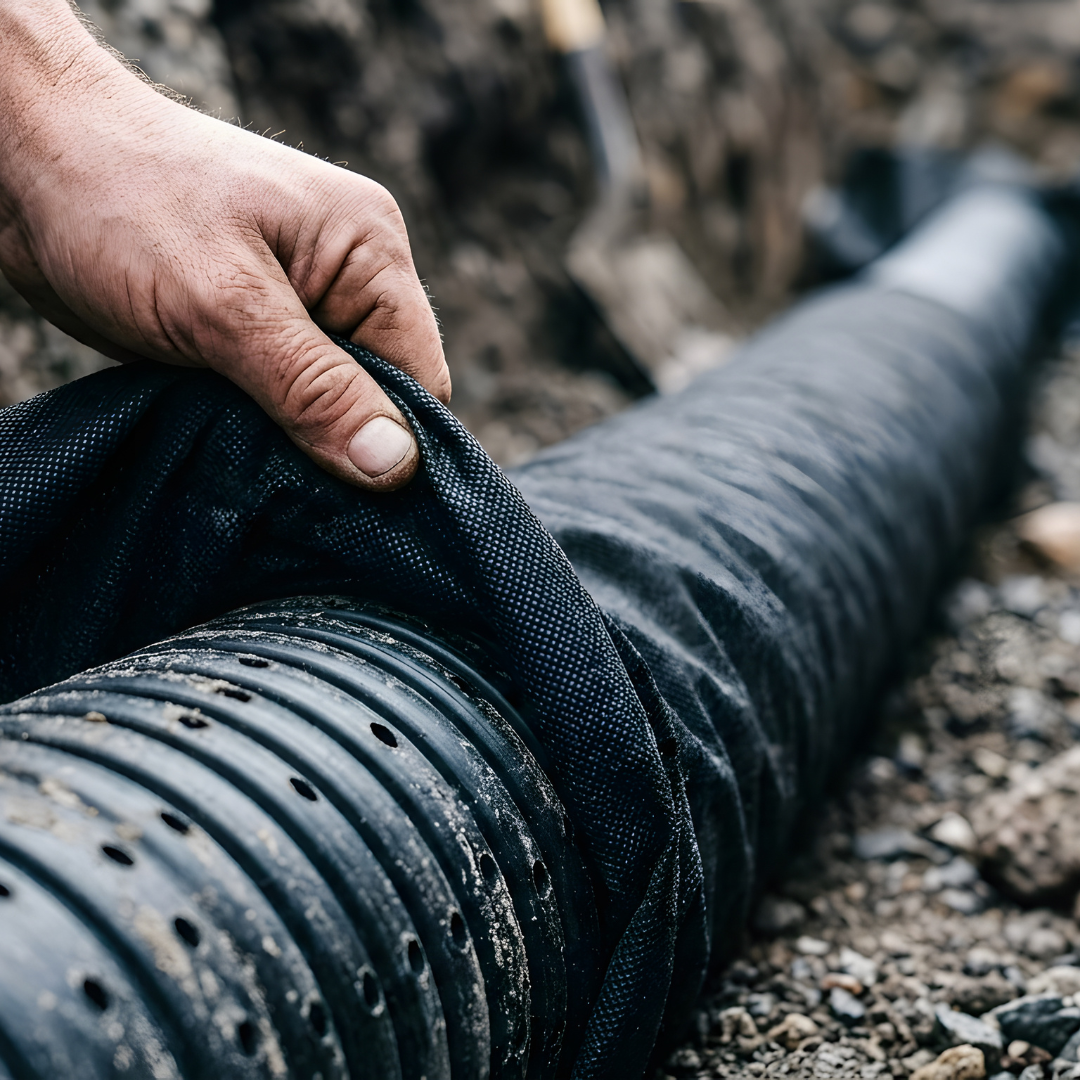
A French drain is a subsurface drainage system that redirects groundwater away from your foundation. It uses a perforated pipe surrounded by gravel to collect and channel water safely away.
French drains are ideal for managing consistent water intrusion or yard drainage problems.
Best for:
- Chronic yard pooling
- Hydrostatic pressure relief
- Perimeter drainage issues

Sump Pump Systems
When water collects below grade, a sump pump system removes it before it can damage your foundation.
Sump pumps are commonly installed in basements or crawl spaces where groundwater intrusion is frequent.
Best for:
- Basement water intrusion
- Crawl space flooding
- Homes with high water tables

Crawl Space Drainage Systems
Crawl spaces are especially vulnerable to moisture. Interior drainage systems combined with vapor barriers and proper grading help control water and humidity levels.
These systems prevent mold growth, wood rot, and long-term structural damage.
Best for:
- Crawl space moisture
- Standing water under the home
- Musty odors
Quick Comparison of Drainage Solutions
| Drainage Solution | Best For |
| Regrading | Surface runoff |
| Downspout Extensions | Roof water control |
| French Drain | Yard pooling |
| Sump Pump | Below-grade water |
In many cases, combining multiple foundation drainage solutions provides the strongest protection.
Why Drainage Problems Are Common
Not every region experiences foundation drainage issues the same way. Specific soil and weather conditions make proper drainage even more important.
Here’s why homes in Middle Tennessee face higher risk.
Expansive Clay Soil
Clay expands when saturated and shrinks when dry. This constant movement places stress on foundations throughout the year.
Without proper drainage for foundations, this cycle becomes more extreme, increasing the likelihood of:
- Foundation cracks
- Settlement and sinking
- Uneven floors
- Structural shifting


Heavy Rainfall and Storm Patterns
Some areas receive significant rainfall annually, along with periods of intense storms. When large volumes of water fall in a short time, poor drainage systems become overwhelmed.
Water pooling around the foundation during heavy rain increases hydrostatic pressure and accelerates foundation water damage.
Seasonal Moisture Swings
Middle Tennessee experiences both wet seasons and dry spells. This repeated expansion and contraction of soil can destabilize even well-built homes if drainage is not properly managed.
Consistent foundation drainage helps regulate moisture levels in the soil surrounding your home.
Older Homes with Outdated Drainage Systems
Many homes were built decades ago using older drainage standards. Over time, grading settles, gutters clog, and original drainage systems fail.
Without upgrades or maintenance, small drainage problems can turn into major foundation repair needs.
Because of these regional factors, proactive drainage around the foundation is one of the most effective ways homeowners can protect their investment.
How Much Do Foundation Drainage Solutions Cost?
The cost of foundation drainage solutions depends on the source of the problem and how extensive the water intrusion has become. Surface corrections are typically more affordable, while subsurface systems require more labor and materials.
Addressing drainage early is almost always less expensive than waiting until structural damage occurs.
Surface-Level Fixes
Simple improvements like extending downspouts or adjusting grading are often the first step. These solutions correct water flow before it reaches the foundation.
When caught early, these fixes can prevent foundation cracks and soil movement.
Subsurface Drainage Systems
If water intrusion is persistent, installing a French drain or sump pump system may be necessary. These systems actively redirect groundwater and relieve hydrostatic pressure.
They provide long-term protection for homes experiencing chronic pooling or basement water issues.
When Structural Repair Is Also Needed
If poor drainage has already caused settlement or cracking, drainage alone may not solve the issue. In those cases, homeowners may need both drainage corrections and professional foundation repair.
The key takeaway is simple: preventing foundation water damage costs far less than repairing structural damage later.
Can Proper Drainage Prevent Foundation Repair?
In many cases, yes. Proper drainage for foundations can significantly reduce the risk of cracks, settlement, and structural damage.
When water is consistently directed away from your home, the soil remains more stable. That stability protects the foundation from excessive expansion, contraction, and pressure buildup.
However, timing matters.

When Drainage Alone May Solve the Problem
Drainage improvements are often enough if:
- Cracks are minor and recent
- Water pooling is the primary issue
- No major structural shifting has occurred
- The home is not experiencing severe settlement
Correcting drainage early can stop foundation damage from progressing.

When Foundation Repair Is Also Needed
If the structure has already shifted or settled, drainage corrections alone may not restore stability.
You may need professional foundation repair if you notice:
- Widening foundation cracks
- Uneven or sloping floors
- Bowing foundation walls
- Doors and windows that no longer close properly
In these cases, a structural repair plan combined with proper drainage solutions provides the strongest long-term protection.
Prevention Is Always Less Expensive
Foundation damage rarely happens overnight. It develops gradually as water repeatedly affects the soil around your home.
By investing in proper drainage around your foundation now, homeowners can often avoid major repairs later. And if structural repair is already necessary, correcting drainage ensures the problem does not return.
If you’re unsure whether your home needs drainage improvements or full structural repair, a professional inspection can help you determine the right solution.
Frequently Asked Questions About Foundation Drainage
How do I know if my foundation has drainage problems?
Common signs include water pooling around the foundation, basement water intrusion, crawl space moisture, soil pulling away from the home, and new foundation cracks. If you notice standing water after rain or persistent damp areas near your foundation, poor drainage may be the cause.
Does poor drainage always cause foundation cracks?
Not always, but it is one of the most common contributors. Excess water increases hydrostatic pressure and causes soil movement. Over time, this stress can lead to foundation cracks, settlement, or wall bowing if drainage issues are not corrected.
What is the best drainage system for a home?
The best foundation drainage solution depends on the source of the water. Surface issues may only require grading or downspout extensions. Chronic groundwater problems often require a French drain or sump pump system. A professional evaluation can determine the right approach.
How far should water drain away from a foundation?
Water should drain at least 6 to 10 feet away from the foundation. Downspouts that release water too close to the home can oversaturate soil and increase the risk of foundation water damage.
Can I fix drainage problems myself?
Minor issues like extending downspouts or clearing clogged gutters can often be handled by homeowners. However, larger drainage problems involving grading, subsurface drains, or structural movement typically require professional installation to ensure long-term protection.
Schedule a Drainage & Foundation Inspection
Drainage problems do not fix themselves. Over time, even small amounts of water pooling around your foundation can lead to cracks, settlement, and structural instability.
If you’ve noticed signs of poor drainage around your foundation, the best step is a professional evaluation. Identifying the source of water intrusion early can prevent more serious foundation repair needs later.
At DFX, we evaluate both drainage and structural conditions to determine the right solution for your home. Whether the issue requires simple grading adjustments or full foundation repair, our team focuses on long-term protection, not temporary fixes.
Protect your investment. Address drainage issues before they turn into structural damage.
Schedule your drainage and foundation inspection today.
